SMELL BAR #1

– a bar for sniffing –

site specific research / installation (2010)


Electric-Eclectics Festival, Meaford, Canada on 01-03.08.2008.

[content]

Maki Ueda will research and find interesting local scents, and extract them on-site. The goal is to find the local and original scents; the scent of daily life, food, drinks, materials, persons, and environment. Because of the evaporating character of the smell molecules, scents cannot be

preserved very long, and therefore it’s preferable to work local. Maki Ueda has been making a series of the perfume works under the name “Aromatic Journey” (http://www.ueda.nl/aromatic_journey1). These works focus on the local, extraordinary scents. The local culture is being explored and experienced by means of scent. The results are not a perfume to wear, but to smell and trigger one’s imagination.

[extraction during the festival]

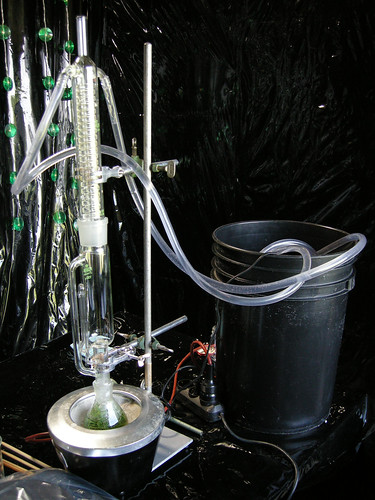
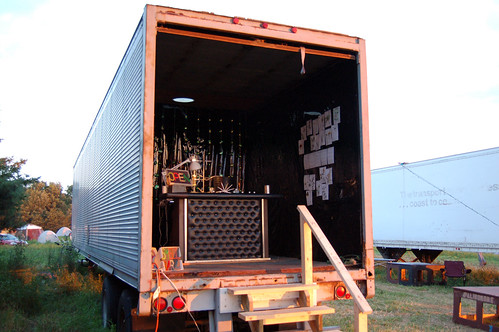
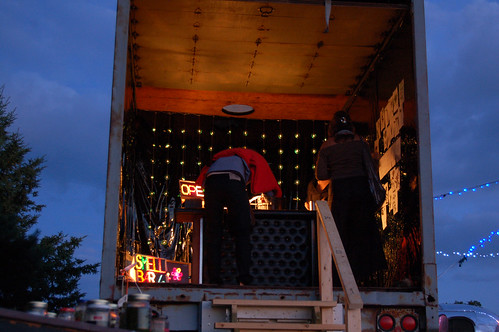
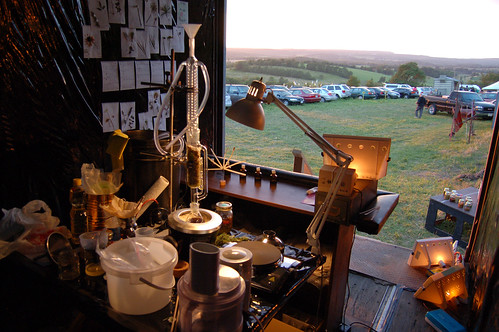
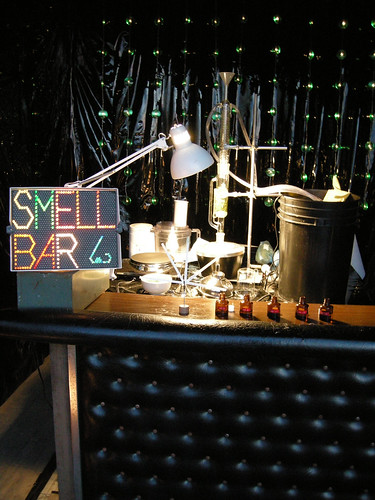
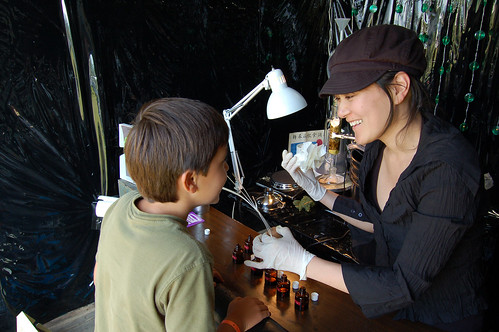
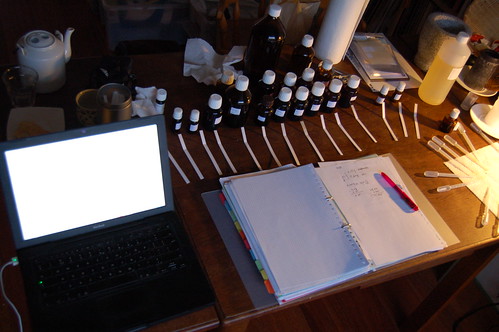
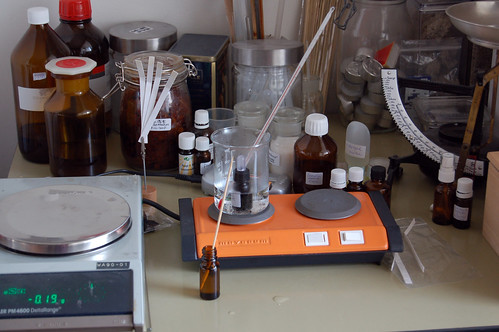
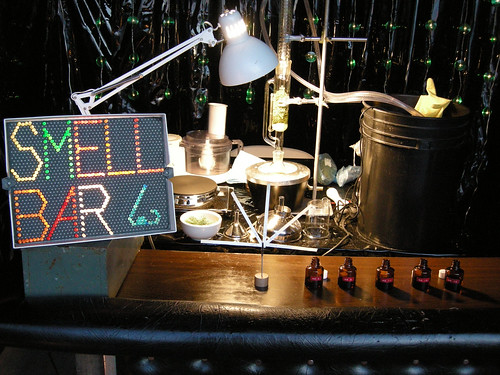
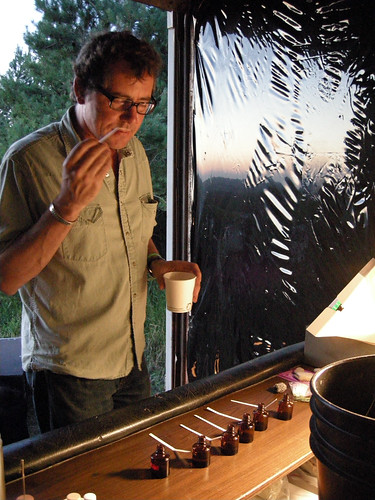
Maki Ueda will extract the scents of the chosen subject in a mini-laboratory installed in a caravan. The visitors can visit the caravan and observe the extraction process, and off course they can smell the scents-in-progress.
 
 
DSC_0307

DSCN5194

DSC_0107

DSC_0186

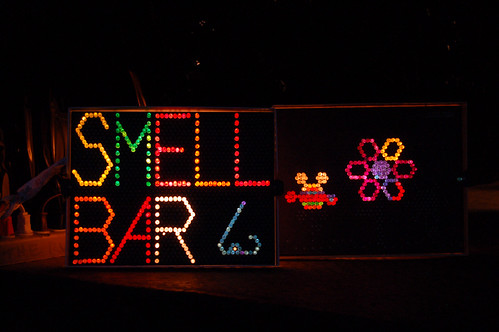
The premier of SMELL BAR was presented at the Electric Eclectic Festival 08, Meaford, Canada in August 2008.

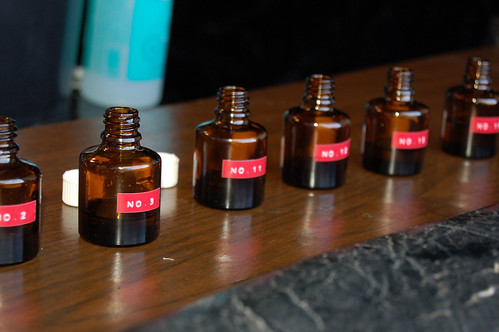
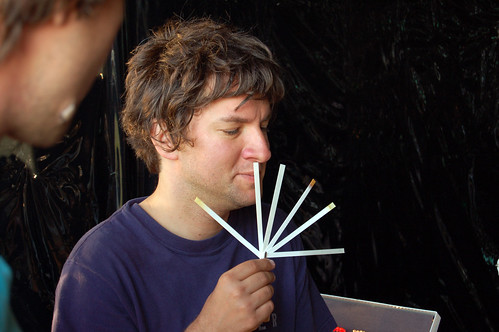
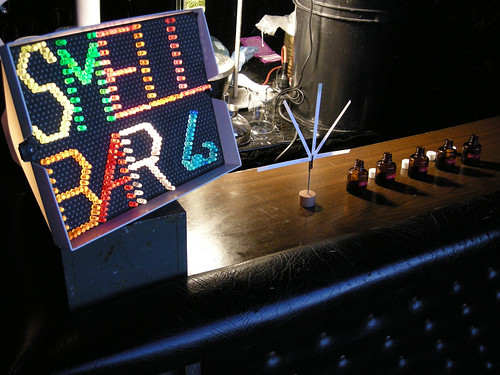
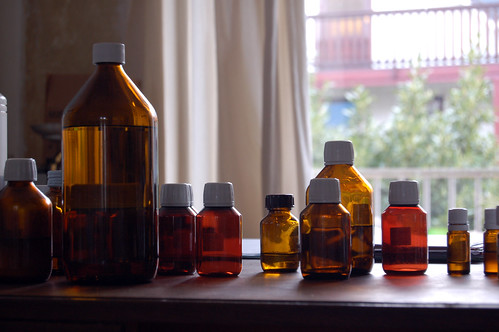
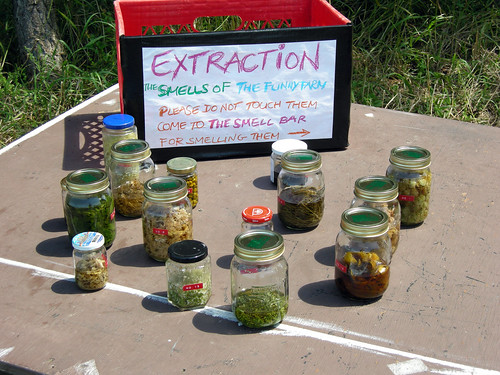
SMELL BAR is a bar for sniffing. The bottles on the bar counter are at your disposal. You can sniff them from the bottles or with the perfume strips. It is an installation with which you can smell and experience the local smells.

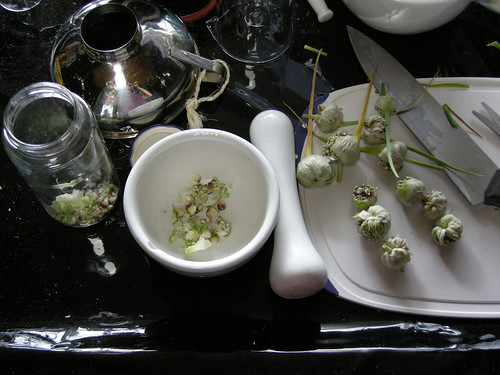
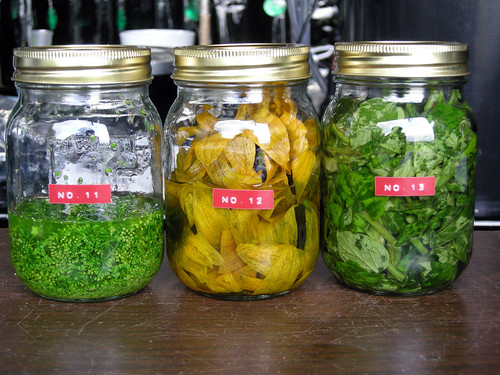
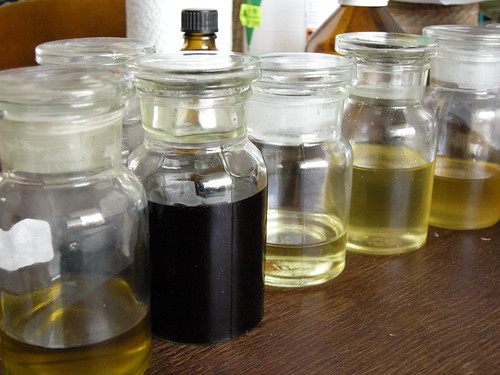
The each smell is extracted manually from materials found in the environment. Thus they together form the environmental smell as collective.

In the fieldwork the environment is being explored and experienced by means of smell. Then the smells are extracted freshly on-site. It’s because that the preservation of natural smell is almost impossible because of the character of the smell molecules: they are easy to viporate and decay. This work is not site-specific, but the extracts have to be made on-time on-site. The results are not a perfume to wear, but to smell and trigger one’s emotion and imagination.
These smells below were found and extracted for the Meaford version.

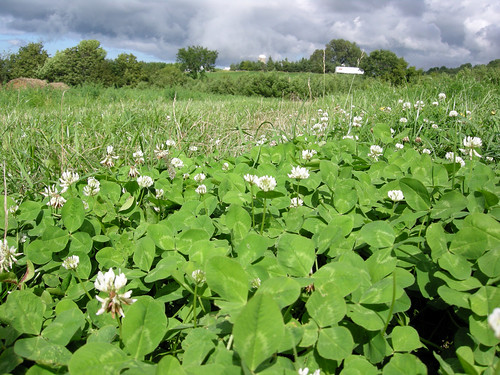
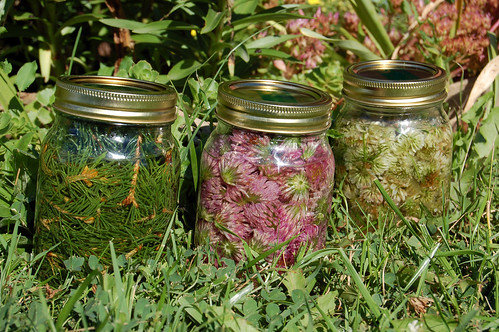
  • No. 1 White Clover (oil)
  • No. 2 Red Clover (oil)
  • No. 3 Spruce Leaves (oil)
  • No. 4 Pine Leaves (water distillation)
  • No. 5 Yew (tincture)
  • No. 6 Pine Leaves (tincture)
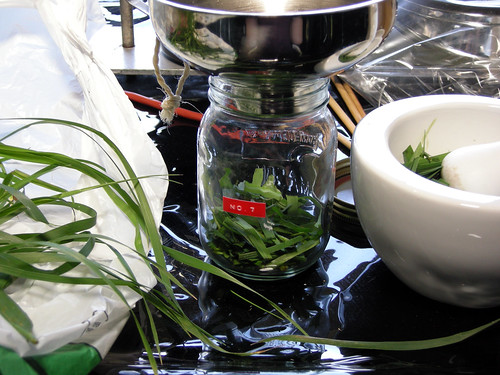
  • No. 7 Grass (tincture)
  • No. 8 White Clover (tincture)
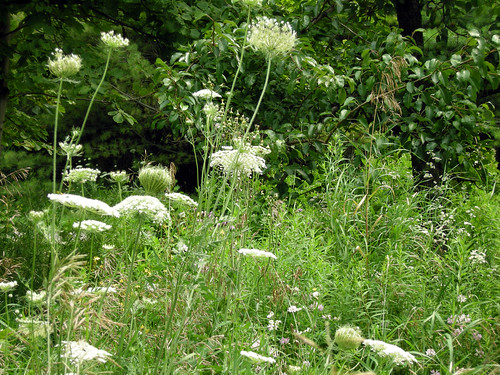
  • No. 9 Queen Anne’s Lace (tincture)
  • No.10 Pink Clover (tincture)
  • ….
  • No.19 Grass (oil)
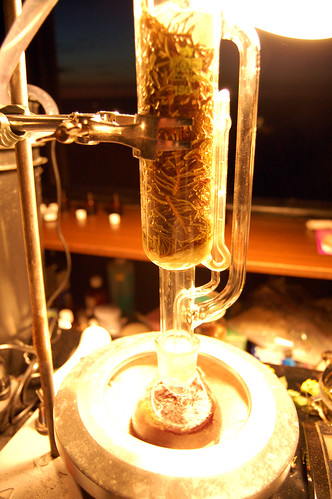
  • No.20 Spruce Leaves (soxhlet extraction)

fieldwork: researching smells in the environment

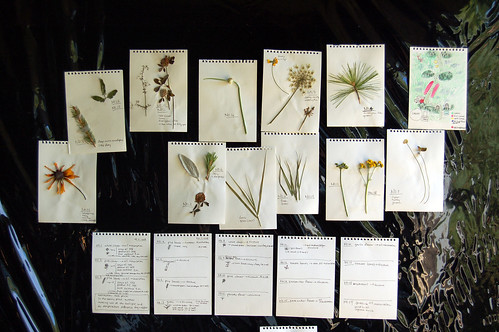
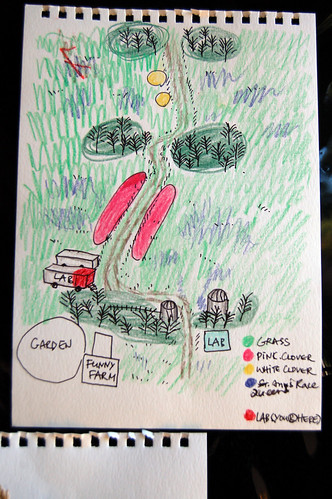
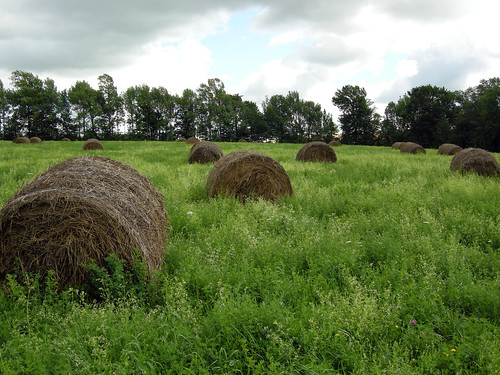
The festival was taking place in a farm environment called ‘funny farm’. The map indicates where the smelly materials were collected.
DSC_0122

DSCN5094

DSCN5053

DSCN5100

DSC_0104

extraction process

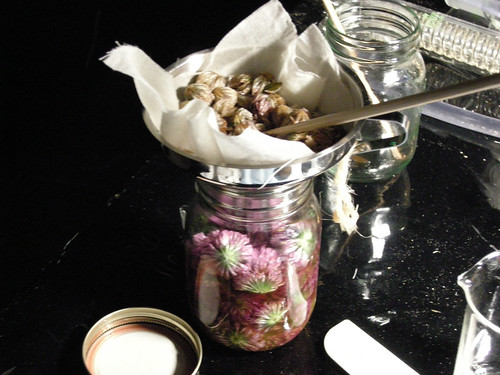
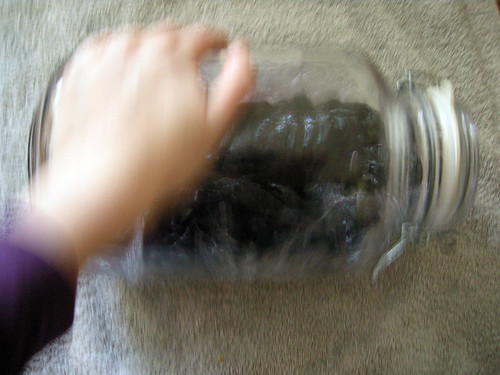
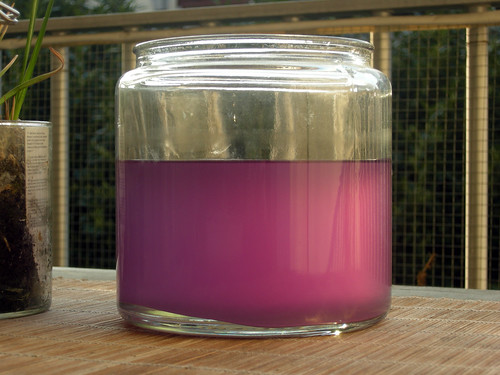
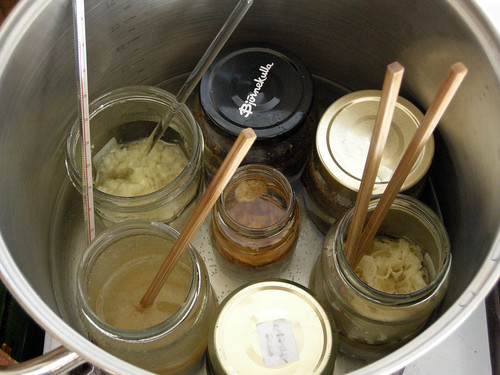
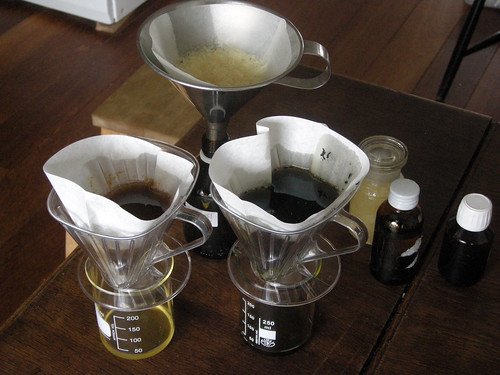
The natural energy as sun light and the warm temperature was used for extracting the smells as much as possible.
DSC_0044

DSCN5225

DSCN5170

DSCN5163

DSCN5159

DSCN5119

DSCN5112

DSC_0323

bar counter & mobile lab
DSC_0222

DSC_0306

DSC_0230

DSCN5211

DSCN5212

DSC_0119

DSCN5243

More info:
https://olfactoryart.blogspot.com/search/label/%5BSMELL%20BAR%5D
 

IF THERE EVER WAS

– an exhibition of extinct and impossible smells –

installation / perfume art (2008)

DATE: 2008
CONTEXT: Exhibition If There Ever Was
VENUE : Reg Vardy Gallery, Sunderland, U.K.
CURATOR : Robert Blackson
DSC_0065

DSC_0092

_MG_6026f

DSC_0079

ABOUT THE EXHIBITION

_MG_6031f

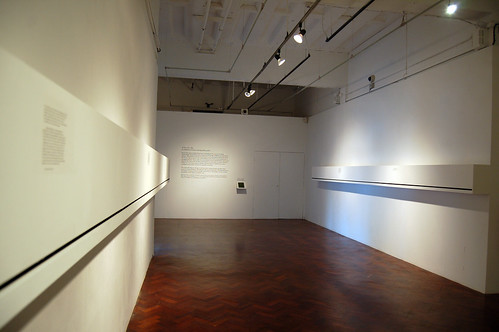
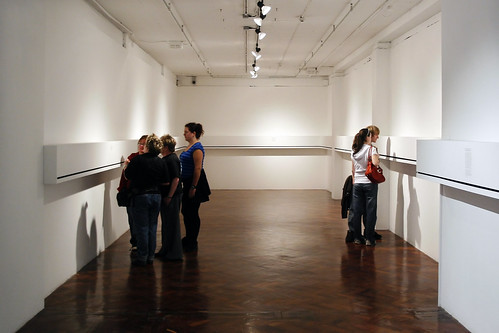
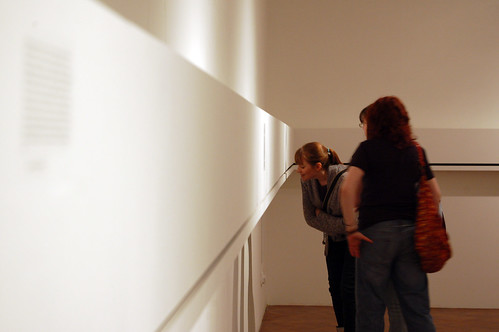
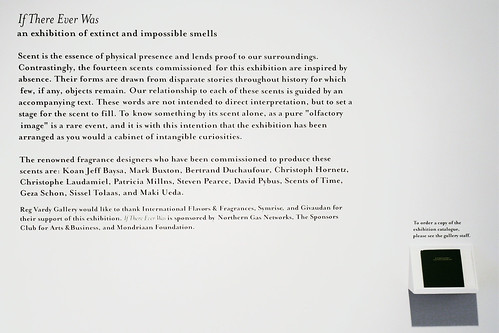
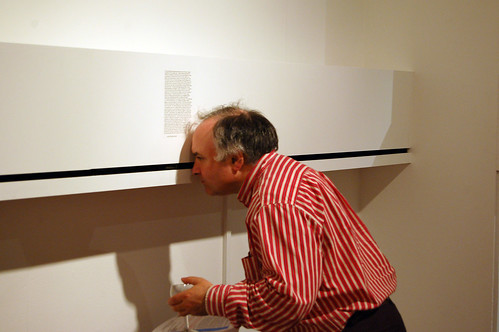
Scent is the essence of physical presence and lends proof to our surroundings.  Contrastingly, the fourteen scents commissioned for this exhibition are inspired by absence.  Their forms are drawn from disparate stories throughout history for which few, if any, objects remain.  Our relationship to each of these scents is guided by an accompanying text.  These words are not intended to direct interpretation, but to set a stage for the scent to fill.  To know something by its scent alone, as a pure “olfactory image” is a rare event, and it is with this intention that the exhibition has been arranged as you would a cabinet of intangible curiosities.

MY CONTRIBUTION

What I’ve made for this exhibition was the scent of body odor; the scent of East Germany citizen that got captured his/her own body odor without being aware of it.

DSCN4899

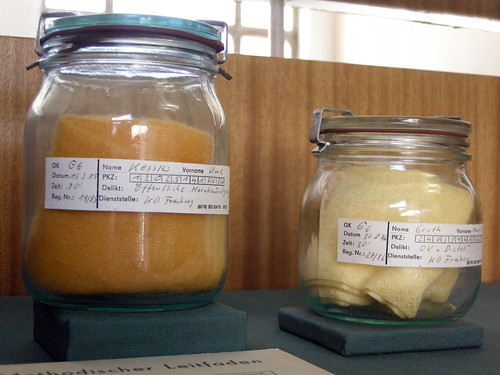
Body odor collection, Stasi Museum, Berlin Germany

Body Odour

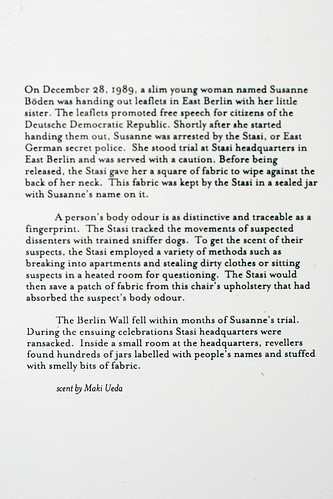
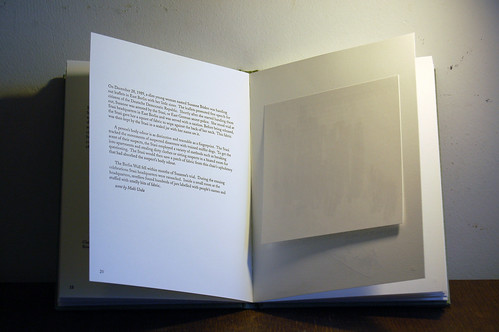
On December 28, 1989, a slim young woman named Susanne Böden was handing out leaf lets in East Berlin with her little sister. The leaf lets promoted f ree speech for citizens of the Deutsche Democratic Republic. Shortly after she started handing them out, Susanne was arrested by the Stasi, or East German secret police. She stood trial at Stasi headquarters in East Berlin and was served with a caution. Before being released, the Stasi gave her a square of fabric to wipe against the back of her neck. This fabric was then kept by the Stasi in a sealed jar with her name on it.

A person’s body odour is as distinctive and traceable as a fingerprint. The Stasi tracked the movements of suspected dissenters with trained sniffer dogs. To get the scent of their suspects, the Stasi employed a variety of methods such as breaking into apartments and stealing dirty clothes or sitting suspects in a heated room for questioning. The Stasi would then save a patch of fabric from this chair’s upholstery that had absorbed the suspect’s body odour.

The Berlin Wall f ell within months of Susanne’s trial. During the ensuing celebrations Stasi Headquarters were ransacked. Inside a small room at the headquarters, revellers found hundreds of jars labelled with people’s names and stuffed with bits of fabric.

Scent by Maki Ueda

(text by Robert Blackson, curator)

_MG_6046f

DEVELOPMENT

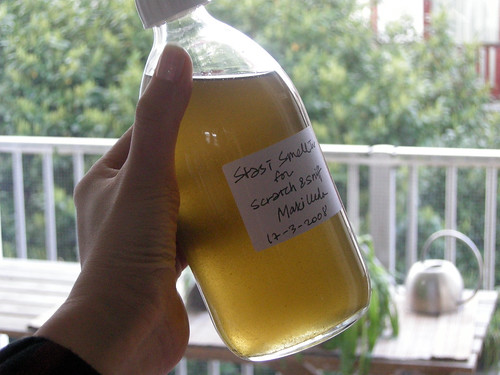
Like I always do I made the extracts from the scratch.

The first experiment:

extracting sweat from my own clothes

DSCN3646

DSCN3728

DSCN3734

The second experiment:

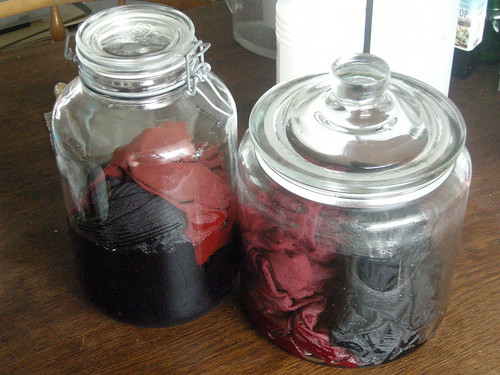
We smell of what we eat. I’ve used whatever I could find in the kitchen for extraction, and then composed “an body odor” with them.

DSCN4063

DSCN3899

DSC_0078

DSC_0081

DSCN4064

DSC_0074

DSCN3969

More documentations: http://scent-lab.blogspot.com/search/label/%5BIf%20There%20Ever%20Was%5D

BOOK ARCHIVE

DSC_0155 copy

DSC_0153 copy

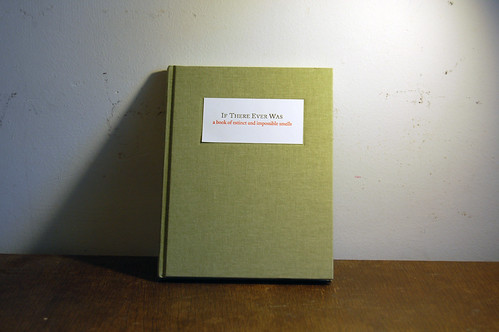
This is the catalogue of the exhibition If there ever was - an exhibition of extinct and impossible smells – . All the smells exhibited are printed with microencapsulation. It’s the book for scratch & sniff.

If There Ever Was: a book of extinct and impossible smells
ISBN: 978-0-9557478-0-9 (rrp £12.00) * SOLD OUT *
distributed by: Cornerhouse, www.cornerhouse.org
published by: Art Editions North

However the book is sold out, I would like to share with you the text of the whole exhibition as an archive of this legendary event in olfactory art history : “IF THERE EVER WAS – TEXT” 

OLFACTORY LABYRINTH VER. 5

– Invisible Footprints –

space installation (2019)

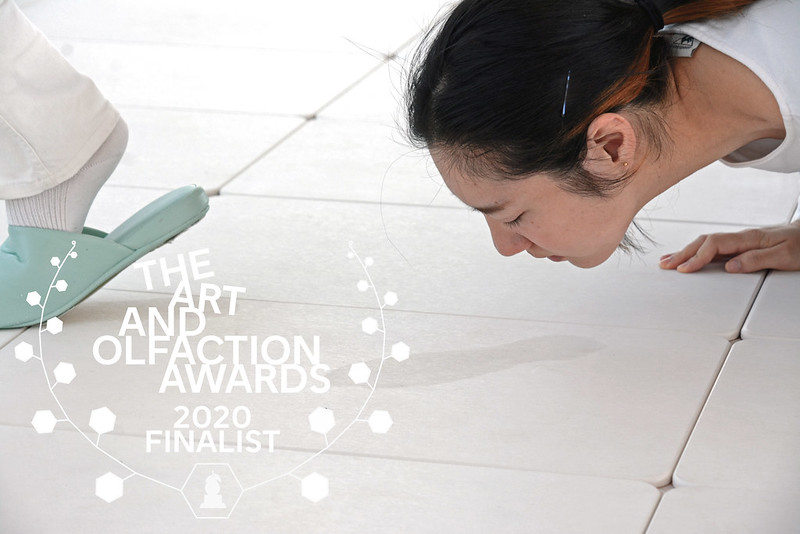
Olfactory Labyrinth ver. 5″ is a finalist for the Art and Olfaction Sadakichi Award for Experimental Work with Scent. The Art and Olfaction Awards celebrate excellence in global independent and artisan perfumery, and experimental work with scent.

DSC_9667_withLaurelW_S
DATE: Oct 12, 2019.(premier) – Dec 08, 2019
VENUE: Kiyosu Haruhi Museum of Art (solo exhibition)
CURATOR: Nana FUJIMOTO
SUPPORT: Yamamoto Perfumery Co., Ltd.

[Story]

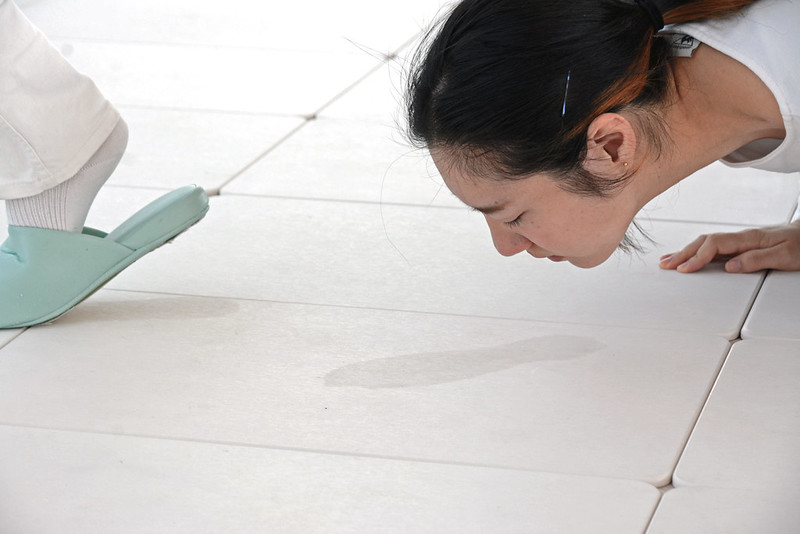
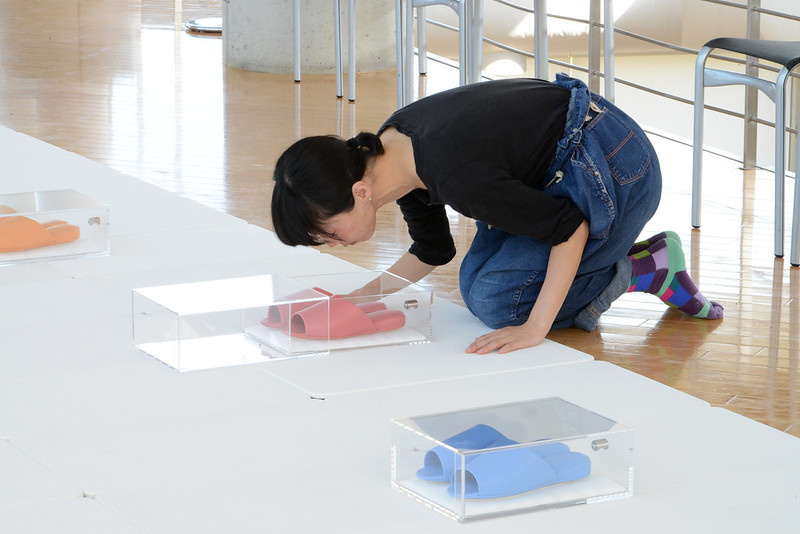
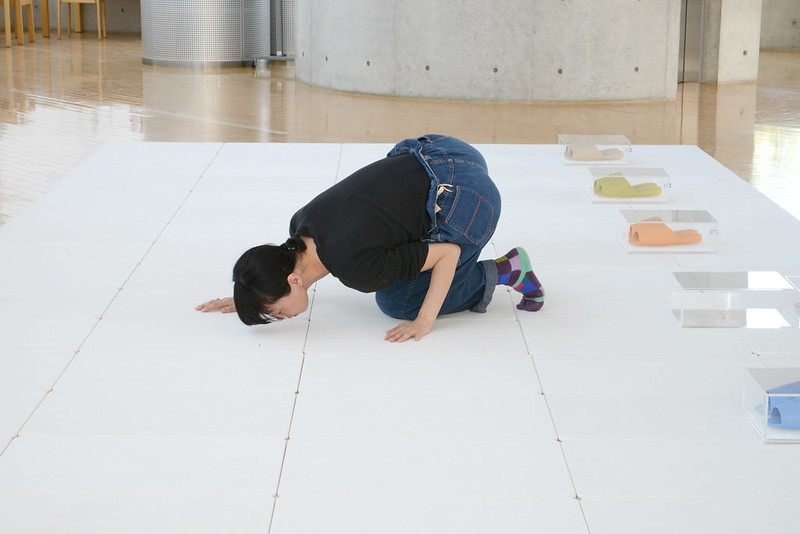
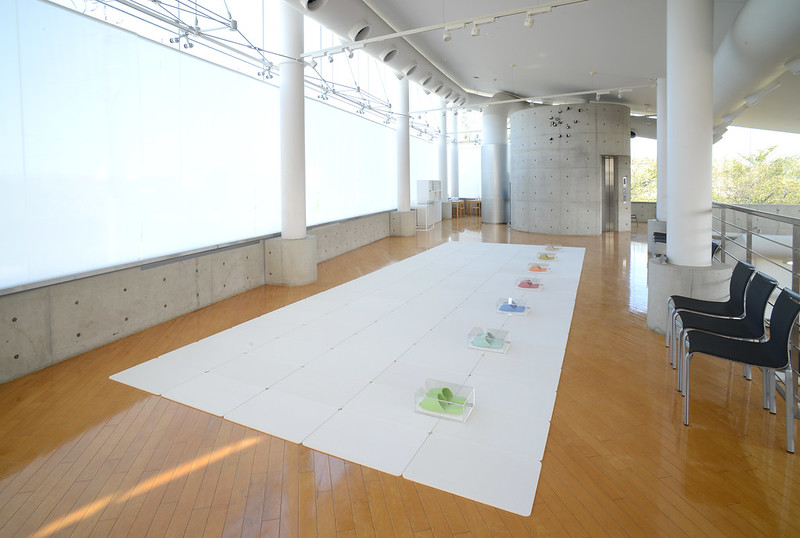
Olfactory Labyrinth is a series of space installation for researching space exploration navigated by the sense of smell. 

As I walk a dog daily, I noticed that dogs live on the totally different layer than us: on the layer of smell.  They play power game or attract each other by leaving footsteps, pees and poops: they communicate each other with smell for the purpose of protecting territories and reproduction.  The scent includes abundant information identifying its sex, age, and size.

Compared to them we human beings can communicate very little with the sense of smell.  This installation questions us about the scent-driven communication.

  • Green Slippers:         Cis 3 Hexenol
  • Light Blue Slippers:     Eucalyptus oil
  • Blue Slippers:         Rosemary oil
  • Red Slippers:         Lavandin oil
  • Orange Slippers:         Orange oil(Colorless)
  • Yellow Slippers:         Limonen
  • Brown Slippers:         Pine Needles oil

The stamp pad is self designed, and the solvent is also self composed accustomed to the behavior of the clay.

DSC_9667_補正

ADS_0204

ADS_0203

ADS_0130

ADS_0256

ADS_0220


ADS_0127