WALK’N SNIFF

one-hour olfactory walking workshop(2009)


goals

  • re-finding of the area from smell perspective
  • becoming more aware of the sense of smell
  • getting to know the connections between the nature and our modern lives. example: the oak moss found on the tree bark is extracted and used a lot in perfumes, etc.


date: 23 & 24, Aug 2009

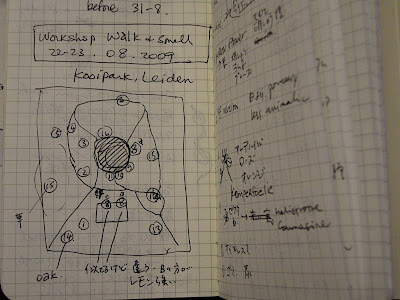
Kooipark, Leiden, The Netherlands
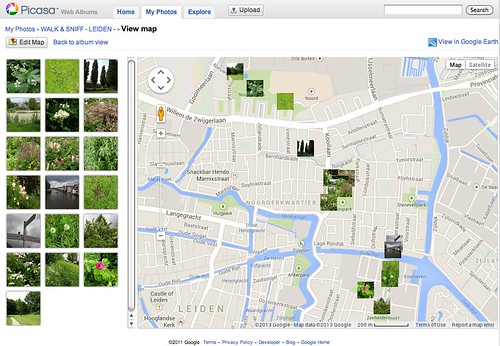
 

map_walknsniff

View in Google Map:

https://picasaweb.google.com/lh/albumMap?uname=110341721675628623374&aid=5345626595436543681#map


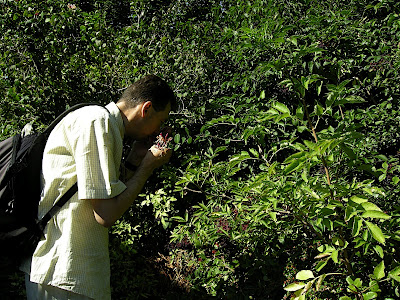
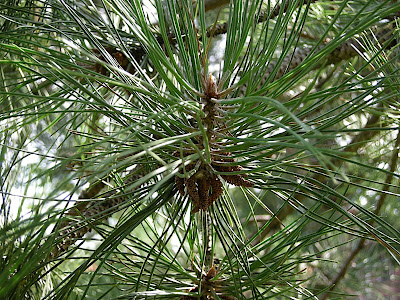
Pine tree – the most common tree in Dutch nature. Rub the leaves – you’ll smell a refreshing fragrant as lemon, orange, and mint.
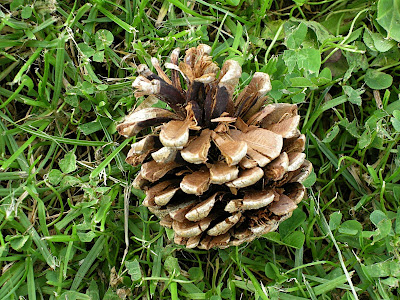

Let’s smell the childen of pine tree too! Is it similar to the leaves or not?
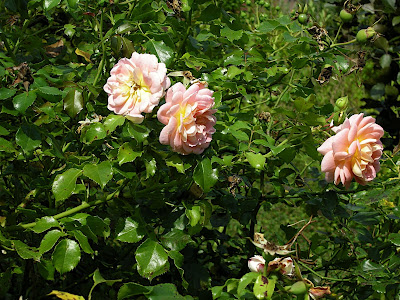

With the rose as example, I’ve explained the various ways of retrieving essential oils from natural materials.
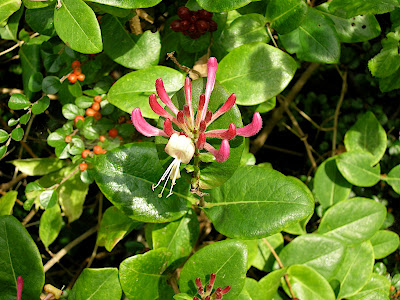

‘Kampafoelie’ in Dutch. Smells like lily, jasmine, and rose.
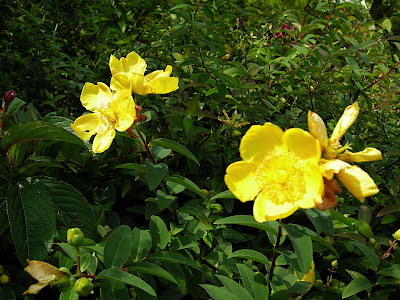

This pretty yellow flower should smell good – but it actually does not smell at all! Instead the leaves well. Smell of black pepper, grape, orange. Gourmand smell.
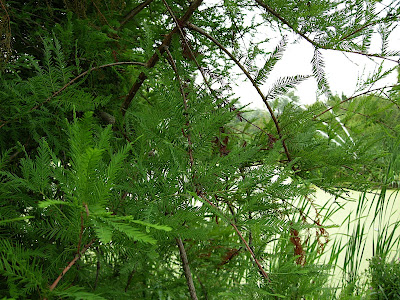

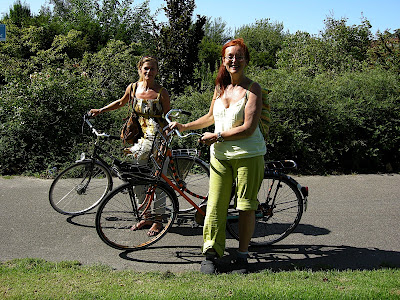
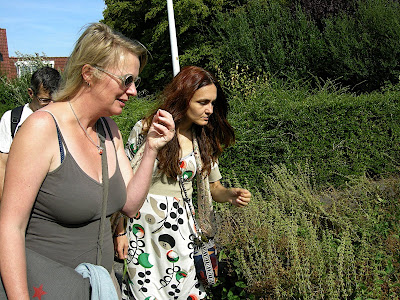
“This smells like orange!”
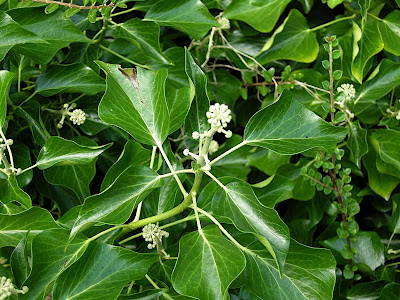

‘Klimop’ in Dutch. This grows everywhere in this country. The flower smells like Japanese ‘fuki’ – fatty, stinky smell. Reminds me of one autumn evening of Holland.
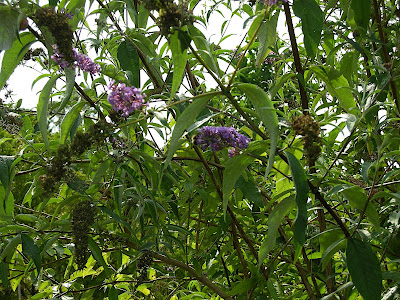

Vlinderstrook – flowers that Dutch people love. Compare the white one and purple one. The white one smell a touch of vanilla, like a virgin. The purple one smells more sexy.


Rozenbottel leaves smell like apple.


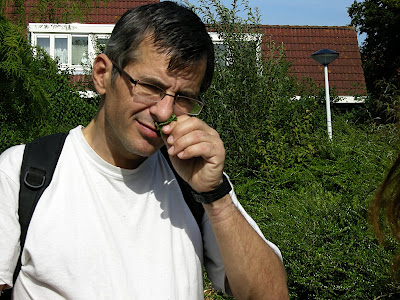
This one looks like mint, but its smell is nothing comparable to mint!
“Wow, what a strange smell!”
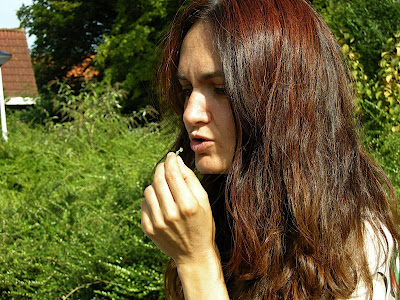
“This smell reminds me of something…”
“Yes… like an animal shop”
“Right, like a bird cage”

Thinking alone about the scent often doesn’t lead to anywhere, but thinking together like a game leads to the idea of similar smell that we know. Very interesting!


I’m thankful to Marjan van Gerwen / Wijken voor Kunst / De Laekenhal, who gave me this opportunity. Thank you very much!
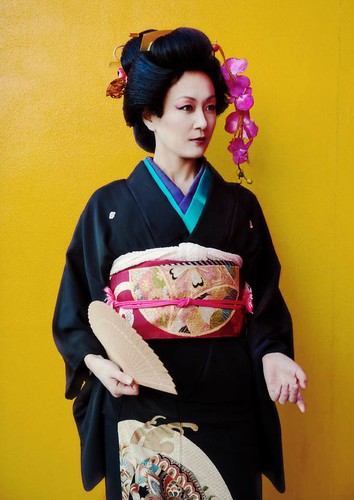
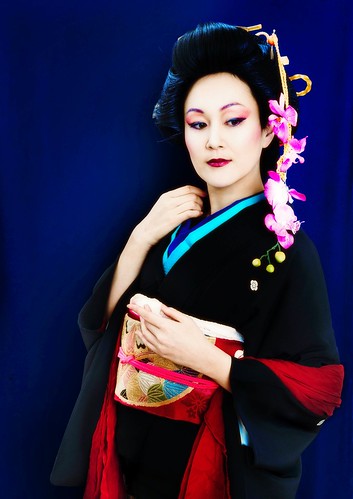


SCENTS OF GEISHA

intervention (2013)

Maki Ueda (JP/NL)


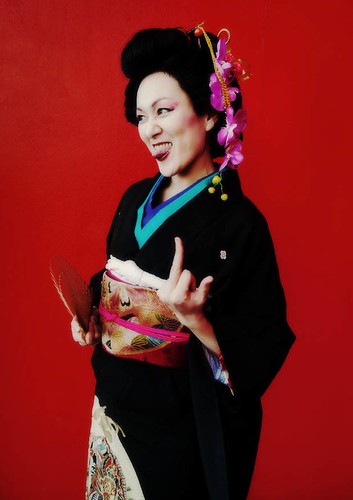
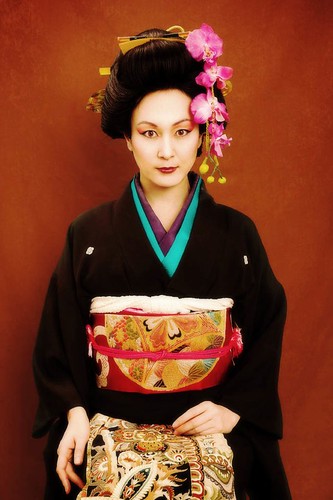
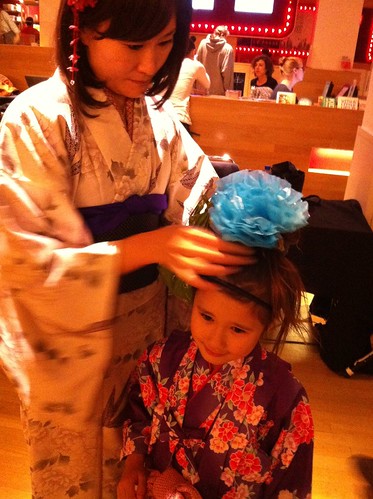
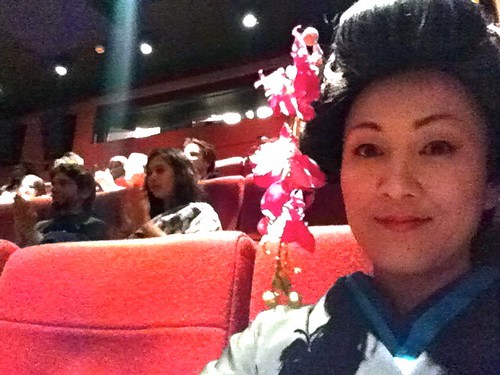
To the traditional geisha, scents were a tool of her trade. During this causal intervention in the lobby, a geisha will entertain your sense of smell, using a variety of such tools and skills. But she is also a member of the Camera Japan audience, so you may well spot her watching a movie, having a drink or making chit-chat. Who knows, if you stick around, she may surprise you too!

CAMERA JAPAN Festival

I used: 
ylang ylang for the flowers on hair, 
agarwood for veil, rose for fur fan, 
sandalwood for the other wooden fan, 
ylang ylang for blue paper flowers I folded for kids, 
and amber for myself.

image

PHOTO: HENK JAN KAMERBEEK


image

PHOTO: HENK JAN KAMERBEEK


image

PHOTO: HENK JAN KAMERBEEK


image

PHOTO: HENK JAN KAMERBEEK


Untitled

Untitled

Untitled

Untitled

_TILDE

inframince.inc | t i l d e _

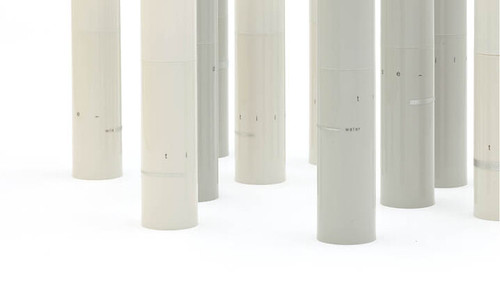
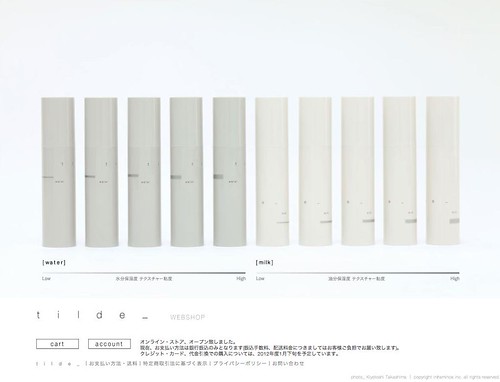
Collaboration with inframance, inc.  Five different textures of tonic and milk offer the users sensitivities for skin and touch. 


perfume _ tilde_

An olfactory artist Maki Ueda developed for the fragrance of [tilde_] with the image of “skin tone”.  It is not too sweet, somewhat dear, and transparent. In the old Japanese language, there was no clear division in expressions for the color and the smell.  For example the word “niou (fragrant)” meant not only smelling nice, but also meant that the color of “beni” looks vibrant. (The color is in between red, pink and orange). There is a perfect example in the oldest poem book “Manyoshu” edited more than 1000 years ago.  The poem is about the beauty of a woman who is standing under a peach tree.  The pink color of the blossoms is reflected on the chin of the woman.  He says that the skin color of her chin is “niou (fragrant)”.   Such unique Japanese sensitivity, somewhat synesthetic, became the starting point for the “skin tone scent”. 

 
DT11_web_inframince1


 inframince.inc (http://inframince.jp)

 Maki Ueda (http://www.ueda.nl/)


tilde_photo