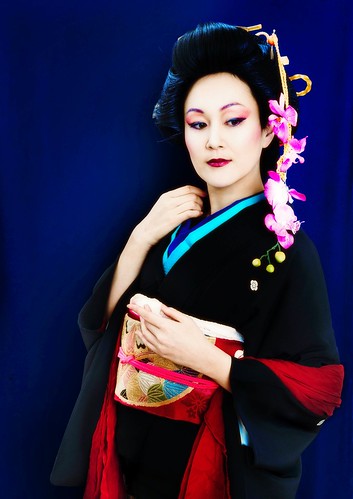
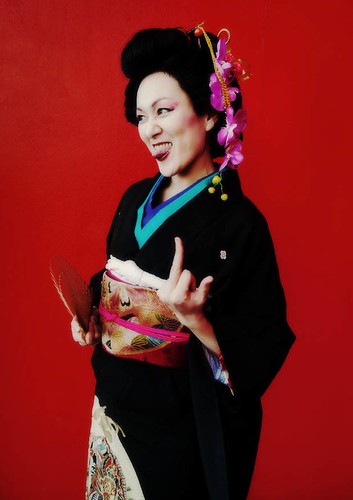
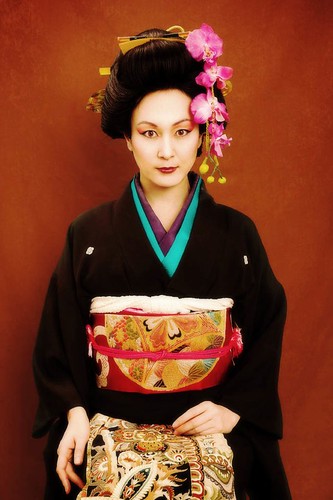
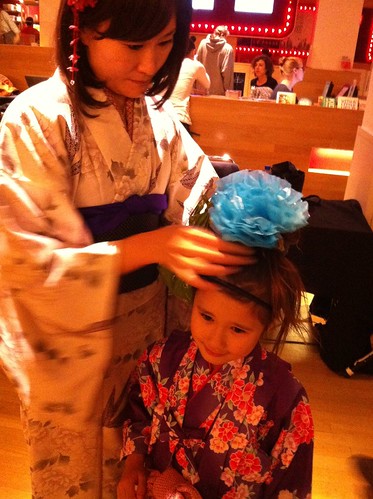
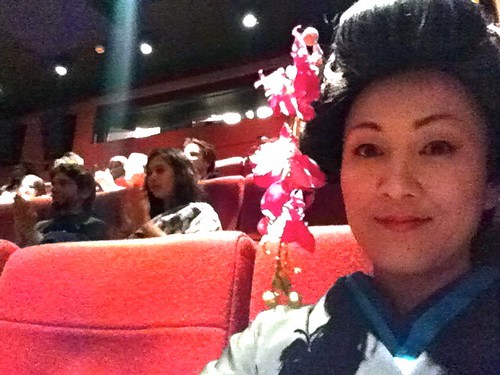
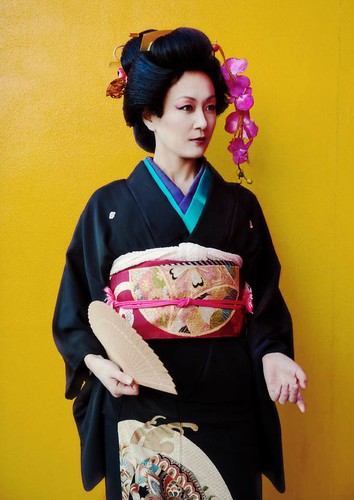
To the traditional geisha, scents were a tool of her trade. During this causal intervention in the lobby, a geisha will entertain your sense of smell, using a variety of such tools and skills. But she is also a member of the Camera Japan audience, so you may well spot her watching a movie, having a drink or making chit-chat. Who knows, if you stick around, she may surprise you too!
I used: ylang ylang for the flowers on hair, agarwood for veil, rose for fur fan, sandalwood for the other wooden fan, ylang ylang for blue paper flowers I folded for kids, and amber for myself.
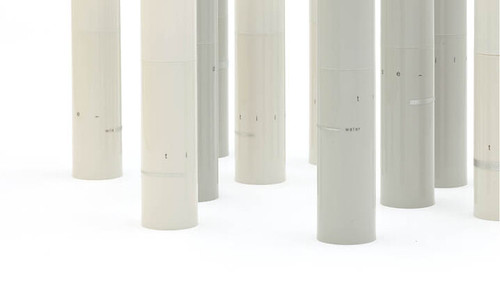
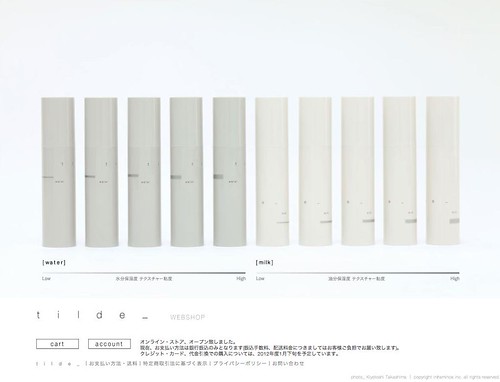
Collaboration with inframance, inc. Five different textures of tonic and milk offer the users sensitivities for skin and touch.
perfume _ tilde_
An olfactory artist Maki Ueda developed for the fragrance of [tilde_] with the image of “skin tone”. It is not too sweet, somewhat dear, and transparent. In the old Japanese language, there was no clear division in expressions for the color and the smell. For example the word “niou (fragrant)” meant not only smelling nice, but also meant that the color of “beni” looks vibrant. (The color is in between red, pink and orange). There is a perfect example in the oldest poem book “Manyoshu” edited more than 1000 years ago. The poem is about the beauty of a woman who is standing under a peach tree. The pink color of the blossoms is reflected on the chin of the woman. He says that the skin color of her chin is “niou (fragrant)”. Such unique Japanese sensitivity, somewhat synesthetic, became the starting point for the “skin tone scent”.
DATE: Apr. 24th, 2019 (premier)- May 19th, 2019 VENUE: Ishigaki City Center for Culture, Ishigaki Japan (solo exhibition) CURATOR: Tomohiro OKADA (Blue Ocean Foundation / Shimanova)
[Experience]
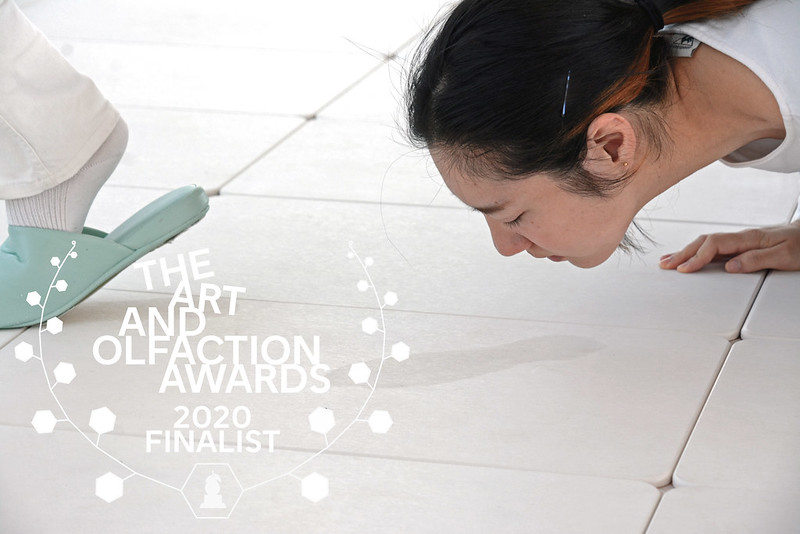
How do you smell, when you lay down? Is it different from how we normally smell: sitting or standing?
In this work you lay down in a private dark space, let your body release and relax, and smell. The parasympathetic nervous system becomes active then, and consequently you would smell the scent differently than you do in the normal context where the sympathetic nervous system is active. You are ‘in’ the scent, drown, or completely immersed.
What you smell here is the scent of night flowers. Do you smell it consciously or unconsciously?
[Story]
Ishigaki Island, where I live, is a fragrant island. During the hot and humid summer nights we often smell the night flowers in bed as if it is “a perfume of the night”. It comes up in mind but also disappears quickly, and it repeats. We go back and forth conscious and unconscious smelling. I have taken this experience and shaped it in the form of this installation.
When we smell in a western or city context, scent (or fragrance) is something special. For us in the rural area here, scent is something always there, we take it for granted and not that special. Cities are the consumers of fragrances, but rural areas are the producer. People here do not wear fragrances, because it’s surrounded by the natural scents of the environment. How people appreciate scents here became an inspiration for this work.
[Technical Production]
I have used self-extracted Silk Jasmine, a common plant here, and added a touch of fragrance I composed, as booster and fixative. The scent is impregnated in the paper petals.
[Research]
It is a research of a biome* from olfactory perspective, and also how people interact with the biome with the olfactory sense.
*“A biome is a community of plants and animals that have common characteristics for the environment they exist in. Biomes are distinct biological communities that have formed in response to a shared physical climate.” – wikipedia
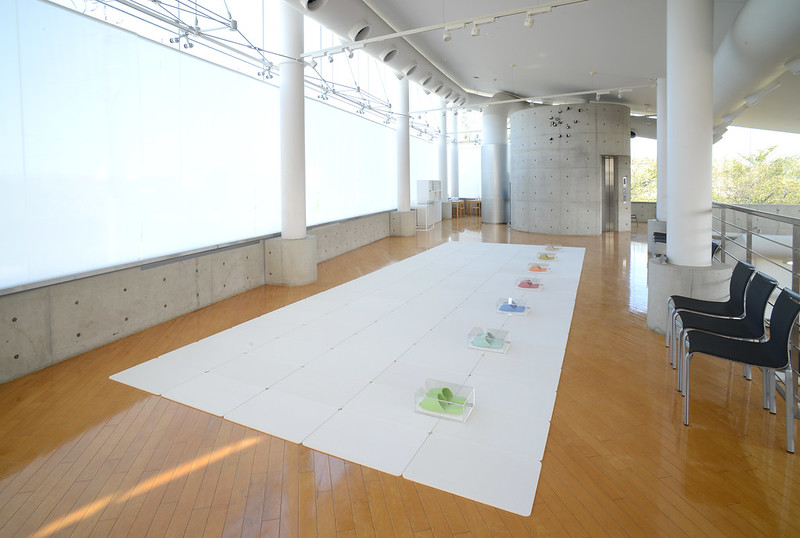
I have been extracting various plants of the island, and found out that there were common substances present in the extracts. They were exhibited next to this installation.
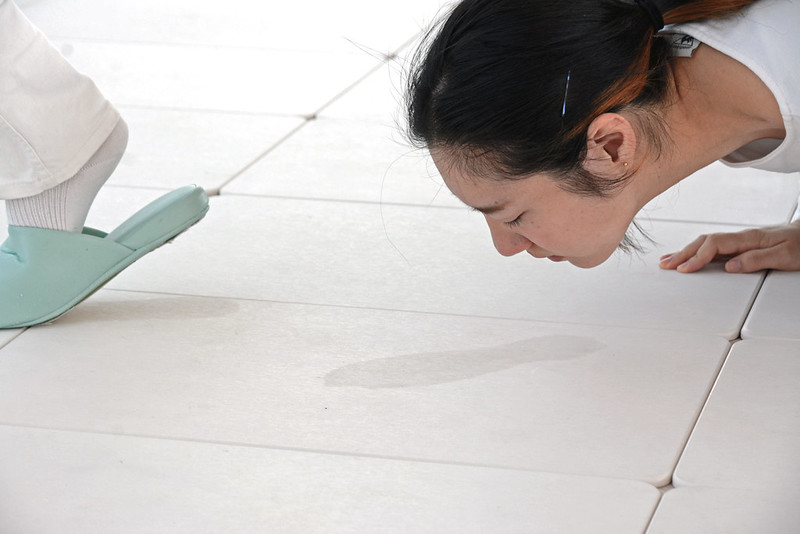
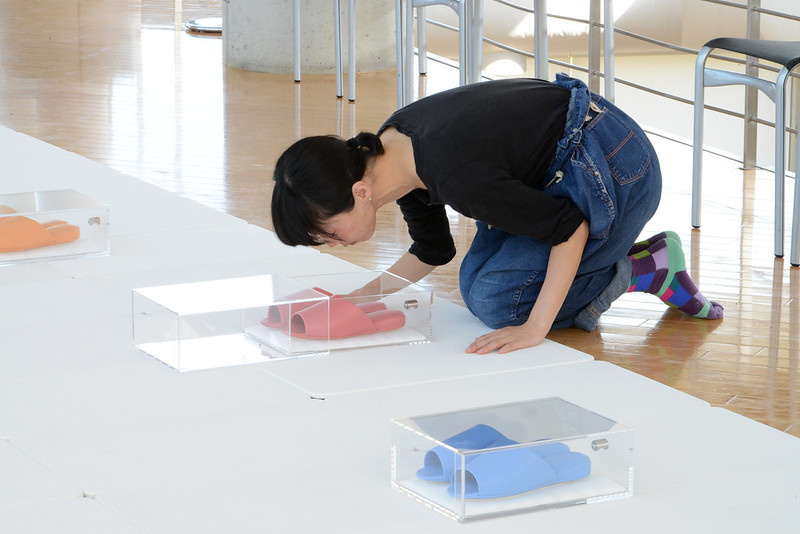
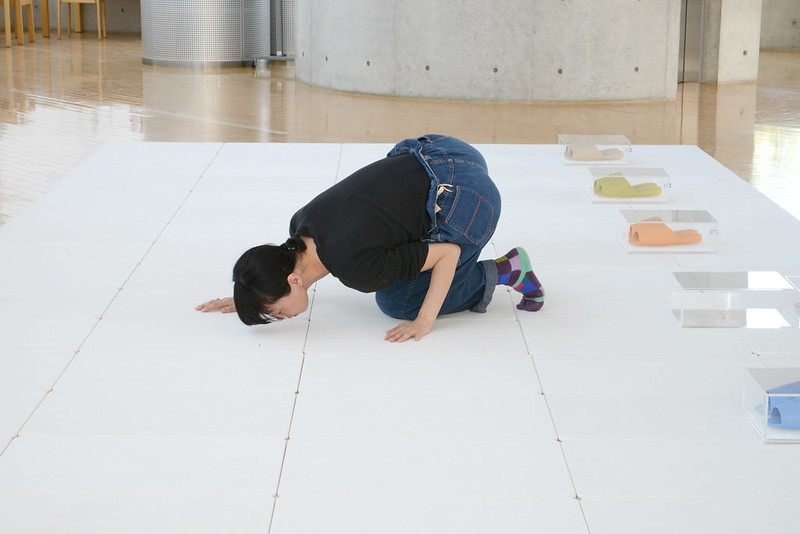
For example, we have a lot of night blooming flowers, and they always have hidroxycitronellal type of substances in common. It must be for attracting moths and to get more chance of pollination. Spicy and citrus aspects are often found in leaves, and it must be for surviving in this extremely hot and humid summer here. (Camphoraseus substances as 1,8 cineol, often found in the cold climate area, were less found here – probably it’s too hot for such substances.)
List of raw extracts exhibited (self made) 1. Camphor 2. Shell Ginger Flower 3. Taiwan sugar palm 4. Gardenia 5. Barringtonia 6. Water Lily 7. Ryukyu Pine Tree 8. Vetiver