OPEN SAUCES -TOKYO VERSION-

phases of mushroom

food workshop (2012)
DATE: November 21th, 2012
VENUE: FISHGROVE Inc. (Tokyo)
CONCEPT: FoAM & Maki Ueda
ORGANIZER:  Seiki Nakayama (FISHGROVE Inc.)
COOKING:  FISHGROVE Inc.
PB212299

Based on the OPEN SAUCE food art event held in Brussels, Maki Ueda showed its compact version of it in Tokyo in search for the boundary of tasting and smelling.

The theme is “mushroom”, corresponding to the season.

Content

We will enjoy the different phase of mushroom and thyme soup: gaseous, liquid, and solid (below zero degrees) state. We will observe the how we taste the same thing depending on the temperature and texture.

We serve bread, wine and dessert as well, so it’s a complete dinner.
PB212303

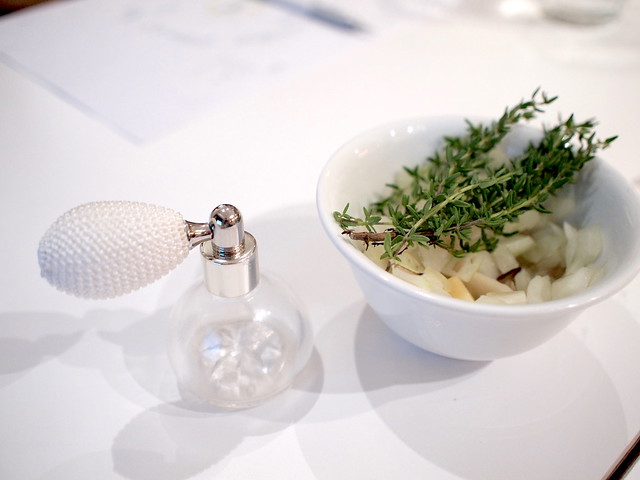
Edible soup perfume.  The soup is distilled and the flavor is extracted.  The gaseous phase of the soup.  
PB212305

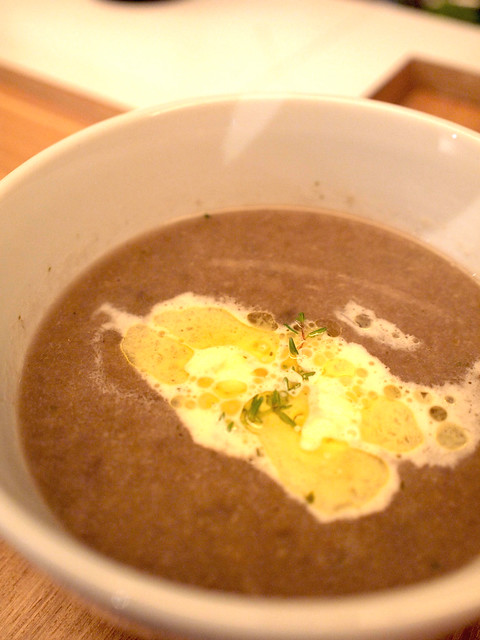
The liquid state of the soup.

PB212307

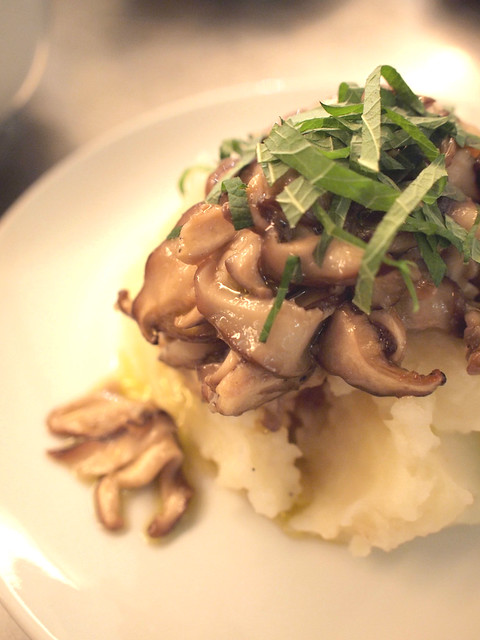
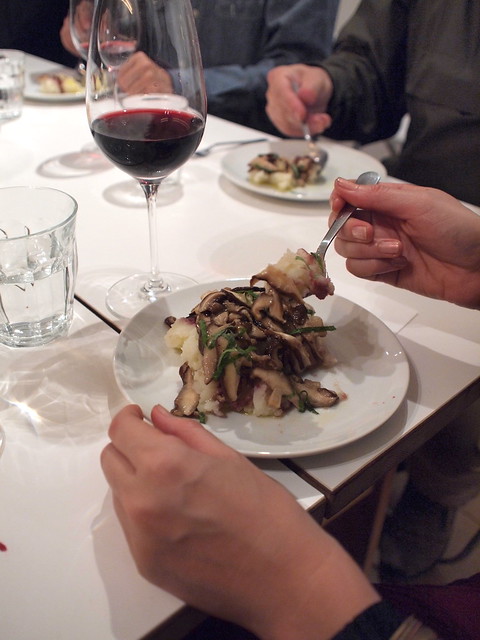
Main dish: Mushroom stoemp (Dutch traditional cooking)
PB212309
PB212312

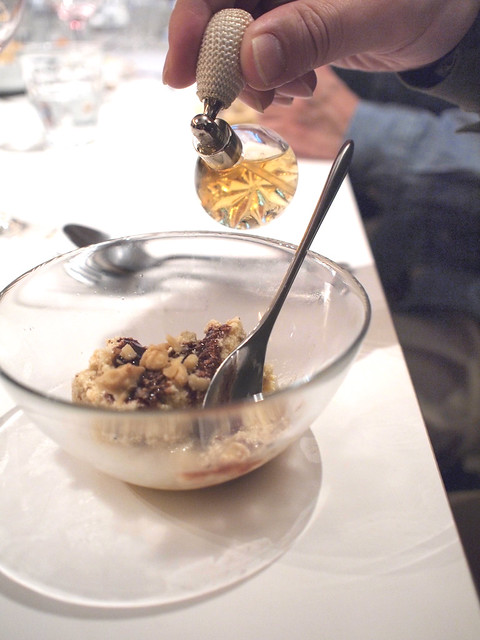
 Shiitake semifredo, with cognac perfume.

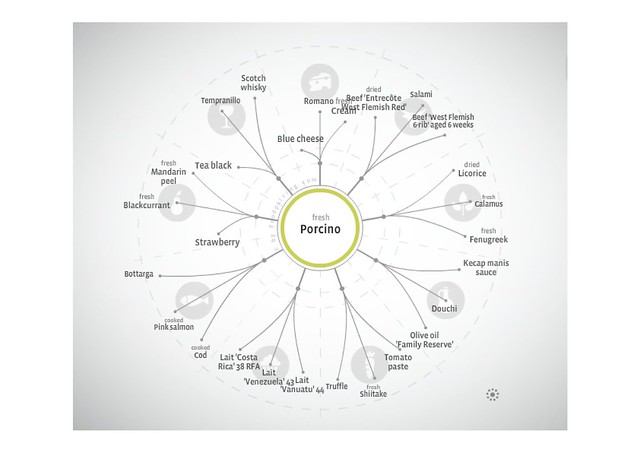
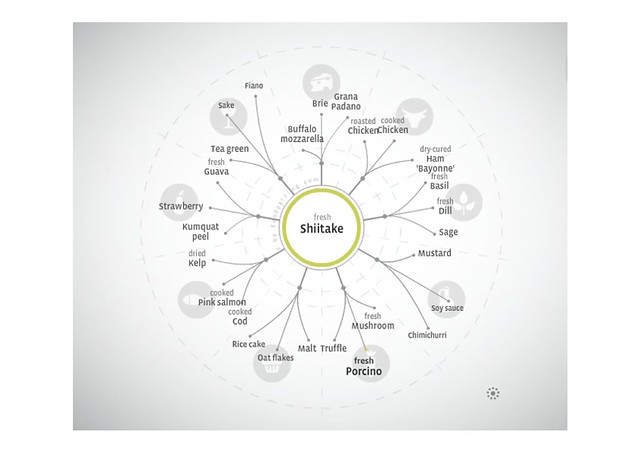
Referencial information where the recipe is based on: Flavor Pairing (www.flavorpairing.be)
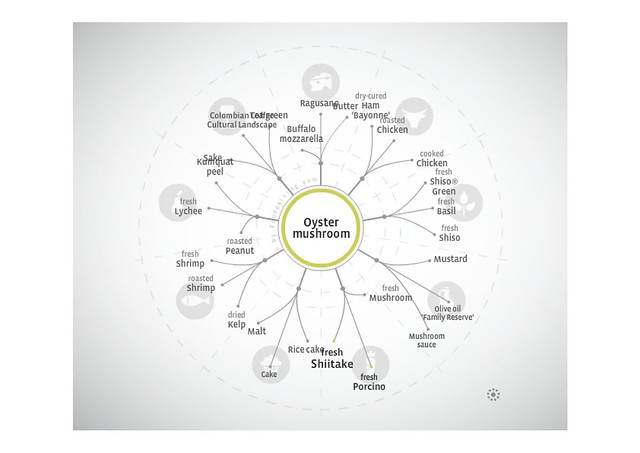
oystermushroom

porchino
shiitake

 About Open Sauces

Open Sauces is a collection of projects, writings and events related to sharing of food, food culture and food systems. Although their format might change, these activities all combine tasting, socialising and learning. Open Sauces brings together people interested in both environmental and cultural and scientific and systemic aspects of cooking, eating and sharing food. We come together in members’ kitchens, in labs, studios and public spaces, keeping the source of our sauces and other culinary delights open for anyone interested in testing out our recipes or joining the Open Sauces Cooking Club.

The mixing of disciplines, of multicultural traditions and playful explorations that make up contemporary food culture can greatly benefit from openness and sharing. Akin to the open source movement in software development, the traditionally secretive world of food and cooking has already begun to benefit from demystifying the source of its ingredients and processes. This is leading to new perspectives on resilient food production. Furthermore, openness can stimulate home-cooks, healthier diets, better science and more inspiring dishes. Sharing knowledge can invigorate food preparation and consumption, as well as undoubtedly evoke other improvements that we can’t yet conceive of. By increasing the accessibility and transparency of food systems we can enhance their resilience, an essential trait in the face of unstable climatological and economic conditions.
https://fo.am/activities/open_sauces

http://opensauces.cc

http://lib.fo.am/open_sauces/

OLFACTORY MEMORY GAME

installation / educational workshop (2010)


DSC_2556
DSC_2579
DATE: March 15th, 2015 (premier) – April 26th, 2015
VENUE: RAM Gallery, Rotterdam, The Netherlands

Please make pairs with scents.

Just like Kodo, a Japanese olfactory game, woody scents are being used here.

  • Cedarwood
  • Sandalwood
  • Styrax
  • Labdanum 

This piece is an adaptation of one that I developed in the past with students in the OLFACTORY GAMES class.

TANGIBLE SCENTS

– COMPOSITION OF ROSE IN THE AIR –

installation in open air (2018)
3

Tangible Scents is a finalist for the Art and Olfaction Sadakichi Award for Experimental Work with Scent. The Art and Olfaction Awards celebrate excellence in global independent and artisan perfumery, and experimental work with scent.

DATE: November 15th, 2018
CONTEXT: Reed Arts Week 2018
VENUE: Reed College, Portland, U.S.A 
CURATOR: Aersen Lease, artistic director for the Reed Arts Week

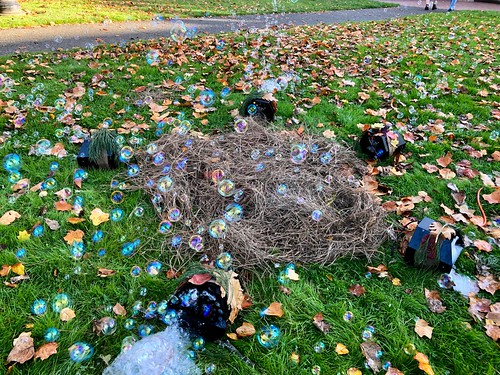
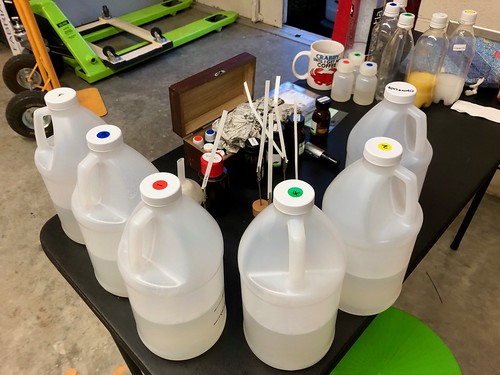
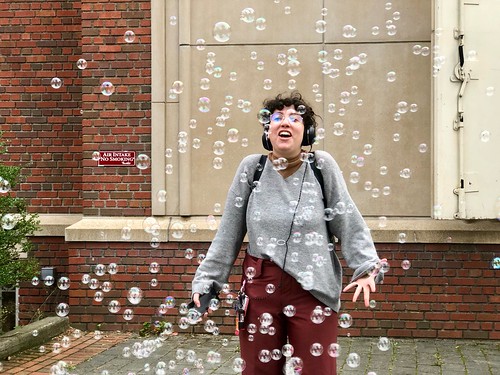
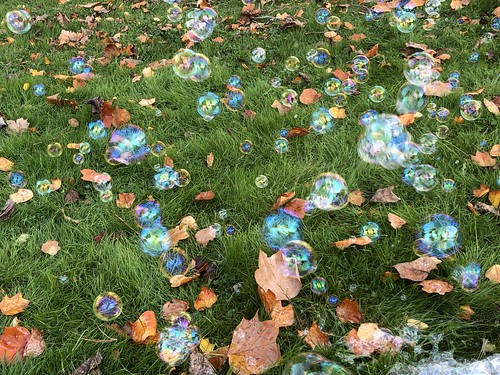
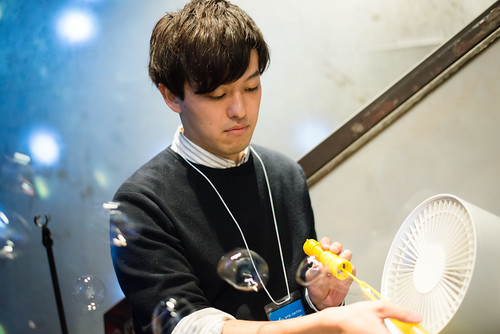
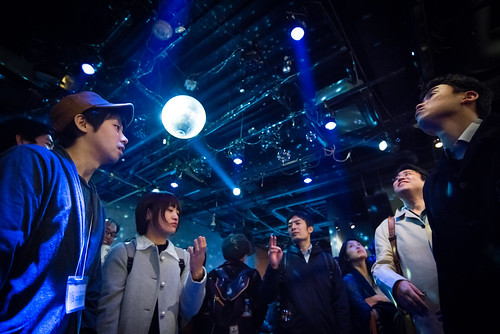
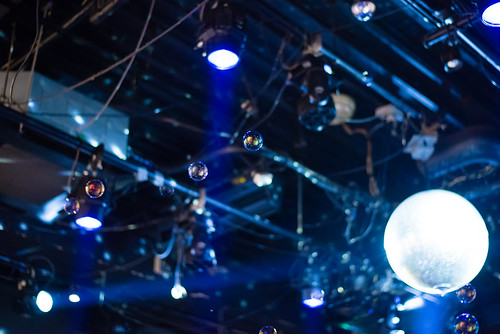
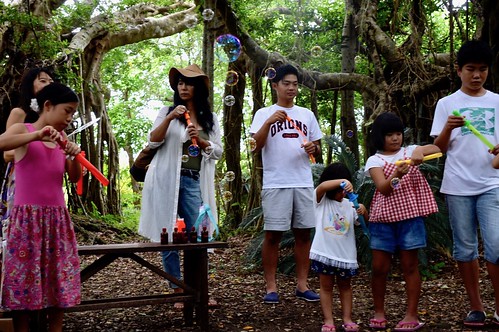
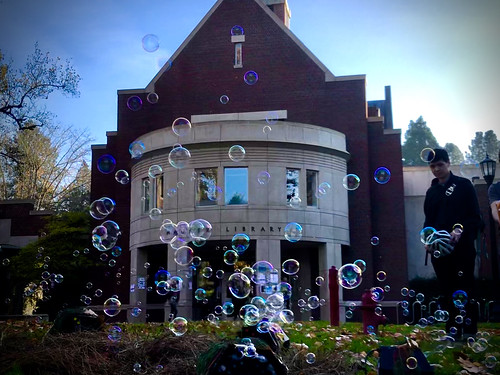
“Tangible Scents” is an open-air installation which uses Maki Ueda’s original method of “de-and re-construction in the air” to decode on the scent of rose. The five major components of the this scent are individually infused into vats of soap, which will each be poured into five different bubble machines. You can deconstruct rose into its component  scents by poking the bubbles, or immerse yourself in the total scent.

IMG_3381

IMG_3373

IMG_3294

IMG_3289

IMG_3367


IMG_3376

Since the late 2017 I’ve been questioning myself “how to make scents more tangible and understandable for audience?”.

I picked “rose” as a theme because it’s universal. There’s no “typical rose scent” but it’s very diverse, from the sweet one to the fresh one, and that fact tells us that “rose” is a concept.

I’ve been experimenting with different medium as candle, perfume, and soap bubbles on this theme. The form of incident varies from workshop to installation.

Tangible Scents is an installation in open air, created as a result of such experimentations. My method here is “de-and re-construction of the scent of rose“. By deconstructing the rose scent in components and then reconstructing them together in the air, its concept becomes more transparent and tangible for the audience.

Five scents (molecules), the major components of the scent of rose, are impregnated to soap bubble independently.

Used Scents:

  • (1)Phenyl Ethyl Alcohol (fresh, sweet, floral, sake-like)
  • (2)Geraniol (fresh, watery, citrusy)
  • (3)Phenyl Acetic Acid (sour, floral)
  • (4)Rose Oxide (fresh, metalic)
  • (5)Aldehyde C9 (fatty, green, cucumber-like)

They are to be diffused with the machines independently.

– By the mixing nature of scent molecules, the field of “the smell of rose” is created, as if the composition is done in the space.

– By being poked, a bubble breaks, and it emits the scent. – You can clearly identify the scent, because the five scents are quite different.

– You can also immerse yourself in the flow of bubbles and just feel the rose.

– You can zoom-in and out with the olfaction.

– Timing is controlled with remote controllers.

– Concentration is adjusted by each scent.

Key words:

– tangible scents

– composition in the space

– immersive olfactory experience

– zoom-in and out with olfaction – de- and reconstruction of the scent of rose

EXPERIMENT 1: MINI PERFORMANCE

DATE: November  2017
ORGANIZER: Nozomi Shirai / KYO-SHITSU https://www.ranagram.com/kyo-shitsu/
VENUE: WOMB TOKYO

Used Scents:

(1) Phenyl Ethyl Alcohol

(2) Citronellol

womb_0306_37960352185_o

WOMB_0308

WOMB_0313

EXPERIMENT 2: CANDLE INSTALLATION 

DSC_3626

DATE: November  2017
VENUE: ART HOTEL ISHIGAKI / BAR CAPRICORN
CURATOR: Tomoko Takamine
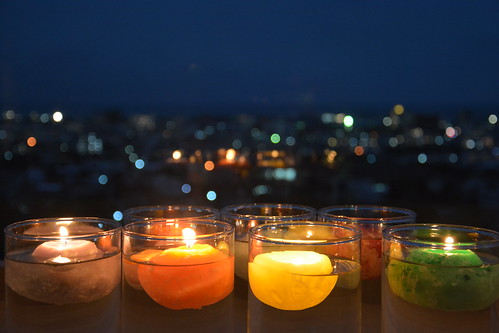
EXHIBITION TITLE: DECONSTRUCTING AND CONSTRUCTING THE SMELL  “X”

Used Scents:

(1) phenyl ethyl alcohol / PINK 

(2) geraniol / TURQUOISE BLUE 

(3) citronellol / YELLOW  

(4) linalool / ORANGE 

(5) euginol / PURPLE

(6) rose oxide / WINE RED 

(7) aldehyde C9 / GREEN 

EXPERIMENT 3: WORKSHOP

IMG_0153


DATE: August  2018
VENUE: Yachimun-kan, Ishigaki Isl.
ORGANIZER: Hitoshi Watanabe (NPO Shima-no-Youchien)

Used Scents:

(1) phenyl ethyl alcohol 

(2) citronellol 

(3) linalool 

(4) rose oxide 

(5) aldehyde C9