– Hiroshima and Nagasaki –
for “The Smell of War” exhibition
installation (2015)

CONTEXT: The Smell of War exhibition http://www.thesmellofwar.be
VENUE: The castle De Loving, Poperinge, Belgium.
CURATOR: Peter de Coupere
When I was a child, my bedroom contained a shelf of my mother’s books and one of these book was about Hiroshima and Nagasaki. Inside I found photos of burned and rotten bodies. A field full of bodies that no longer look like bodies. It was in the high summer season so the bodies would quickly rot and flies laid eggs wherever they could.
The photos were so shocking to me that for nights I was afraid to go to sleep. But I did not dare ask my mother to remove that book from my bedroom because it seemed rude to the victims. As I grew up I peeked into the book again and again, out of curiosity for the atomic bombings, and I realized that I was getting better in dealing with the fear. I ended up sleeping with that book until I left home at the age of 17.
I completely forgot about these pictures, but all of sudden, while I was thinking what to show here, I realized that they were the reason why I could not think anything else beside the smell of rotten flesh when I think of “the smell of war”.
In other words, working on this concept was digging into my memories.
Instruction:
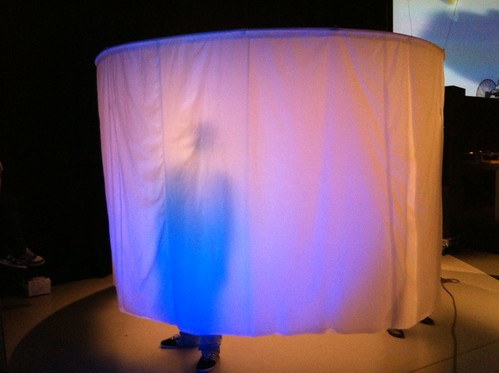
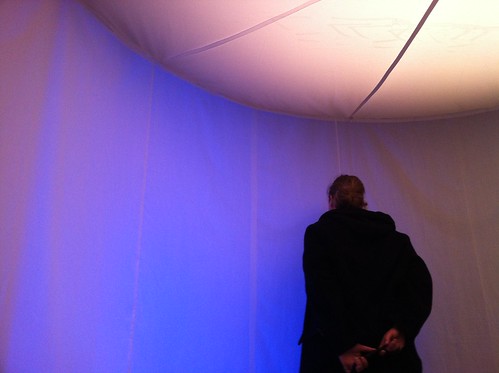
Please put your head in a bowl. This smell was manually extracted from the juice of burned and rotten flesh.


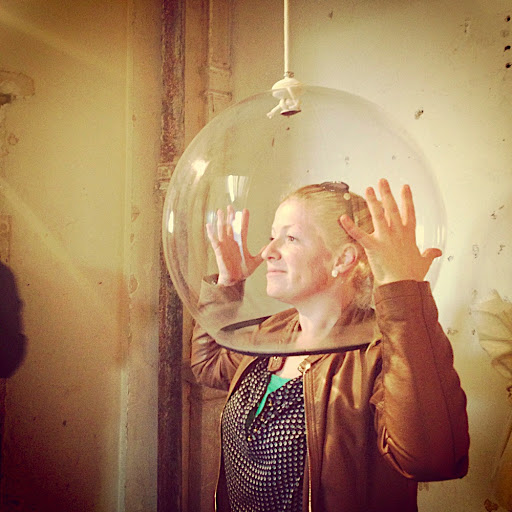
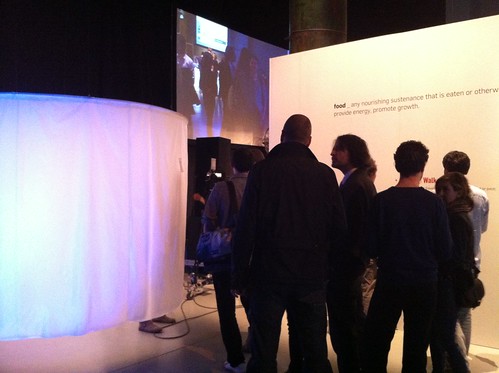
The prime minister of Vlamish government also enjoyed the work at the opening.
Production:
This is a bizarre story of purchasing meat of 20 euros at a supermarket, and made it rotten till it starts stinking for extracting the smell… I am a bit ashamed to tell you the whole story but this is the real story behind this work.
This is a bizarre story of purchasing meat of 20 euros at a supermarket, and made it rotten till it starts stinking for extracting the smell… I am a bit ashamed to tell you the whole story but this is the real story behind this work.
When the curator Peter de Coupere asked me to participate in the exhibition with the theme of “the smell of war”, I could not think of anything else than the smell of Hiroshima and Nagasaki. That would be the case by most of Japanese. We grew up with reading the cartoons “Hadashi no gen はだしのゲン”, with full of illustration of burned and rotten corps and maggot. Also it illustrates the bad odor.
The interface design:
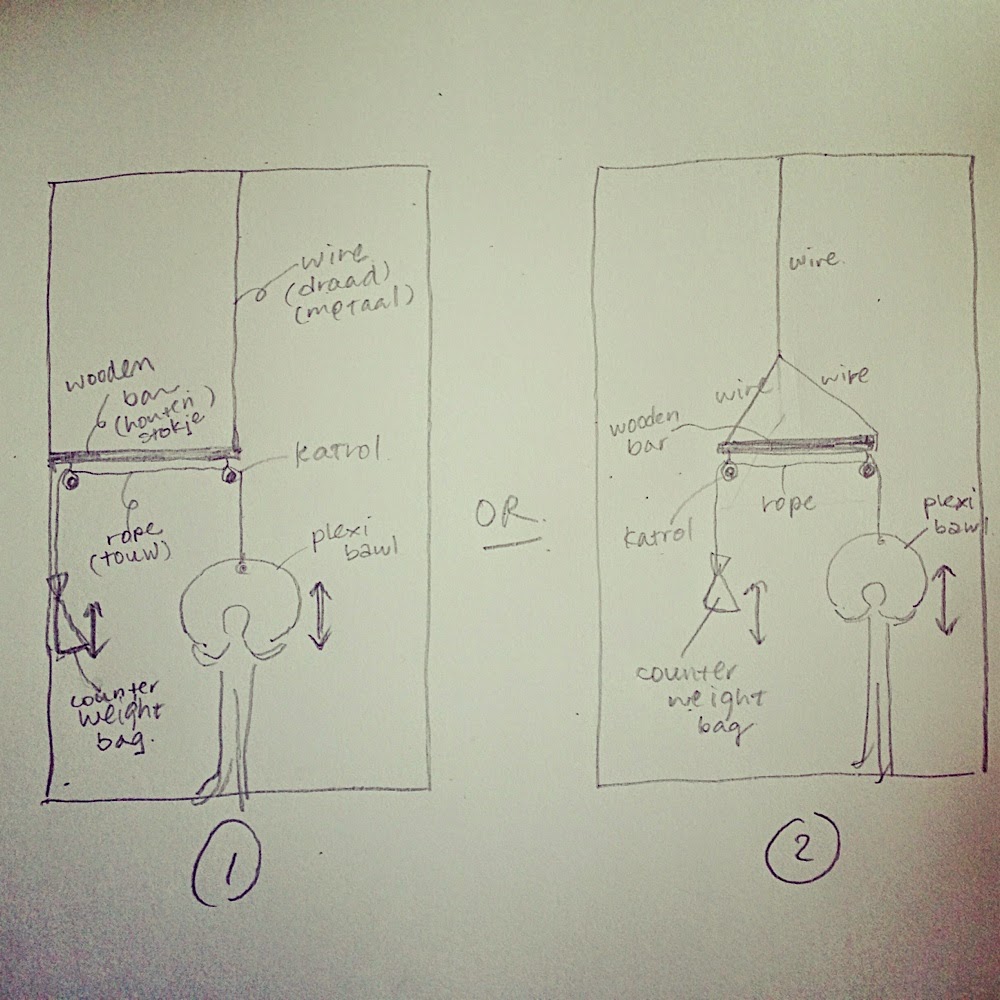

I sew the acrylic bowl myself because there was no company who could do this… it was quite some work.

I asked Peter, the organizer, for hanging the bowl with some instructions.
According to the testimonies of those who experienced it, the victim was charred in an instant, and after the black rain, the sun continued to shine and decayed as it did. It was the hottest time of the year. I simulated this process at my atelier in Japan: I bought pieces of meat at a local supermarket: chicken and pork and whatever I could find, and burned them.
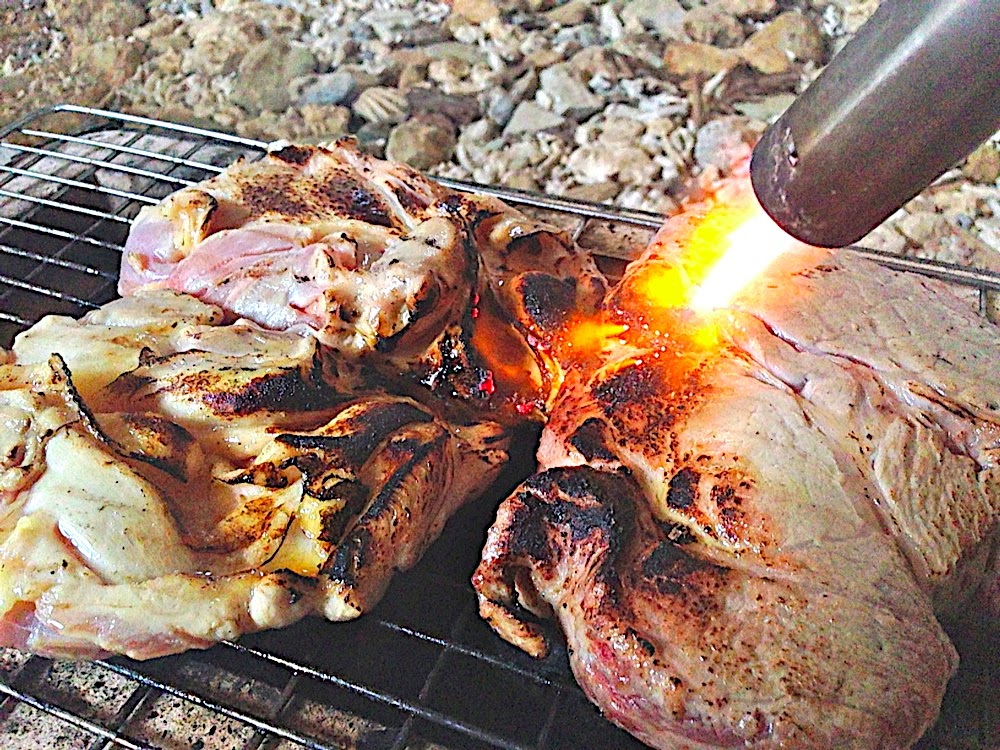


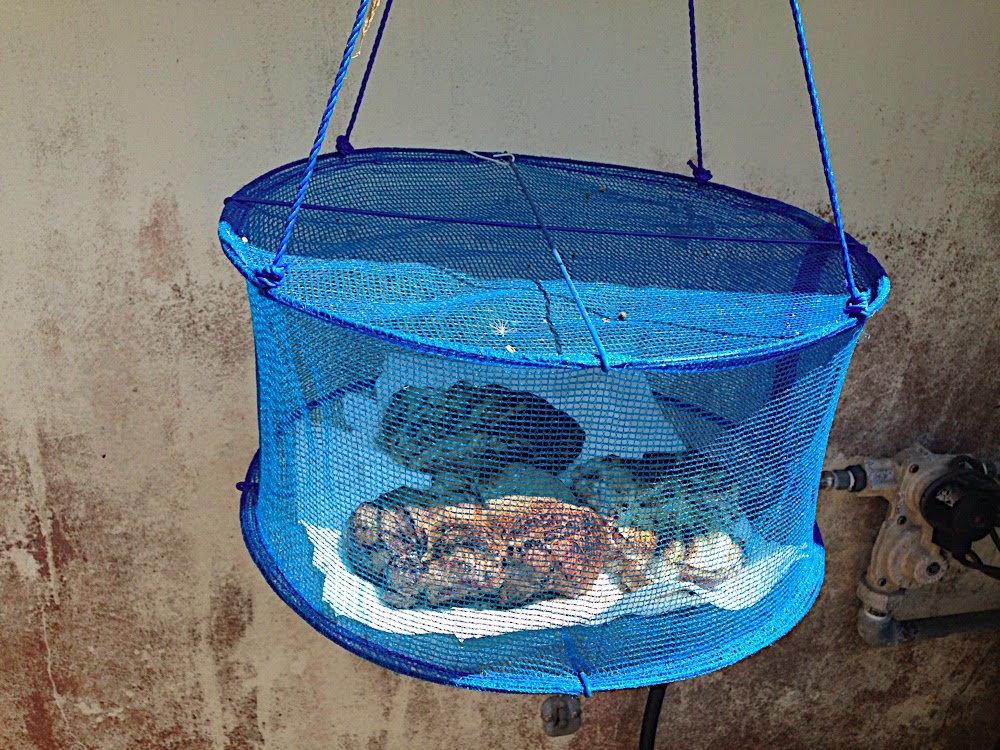
This is the simulation of Hiroshima and Nagasaki. It was high in the summer time when they got bombed, and the burned corps got rotten quickly. Flies lay eggs and it stank terribly everywhere.
After 5 or 6 days they started to smell like a garbage. Around the 10th day it started to stink sour, and this was the limit (also for my neighbor…).
I extracted a little to check the smell and turned out that it was missing the burned scent, so I burned them extra.

Then sliced them. My cutting board was suddenly covered with the flies. It was like a horror movie. I couldn’t inhale even, so I inhaled the fresh air 10meters away and ran to the cutting board, and repeated this.

After the extraction, I filterd it, but it also releases smells everywhere… I got headache from it. If I would have continued this process I would have gotten depressed.

In my fridge is the extract and beer mixed up…it’s safe as long as it’s concealed 🙂