place: LOFTWORK (Tokyo, Japan)
date:
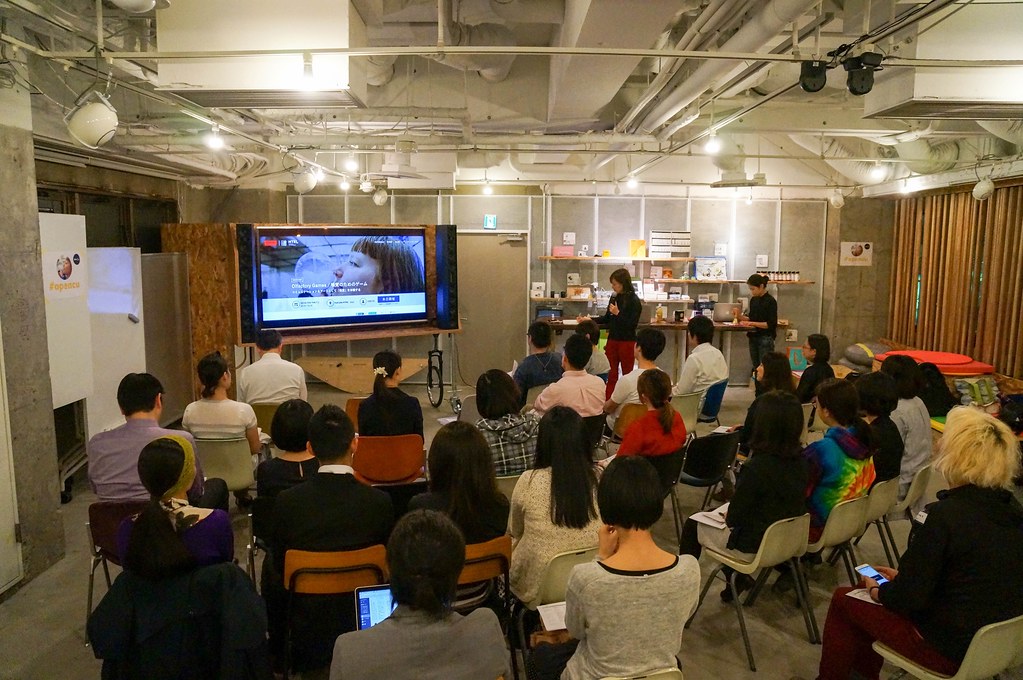
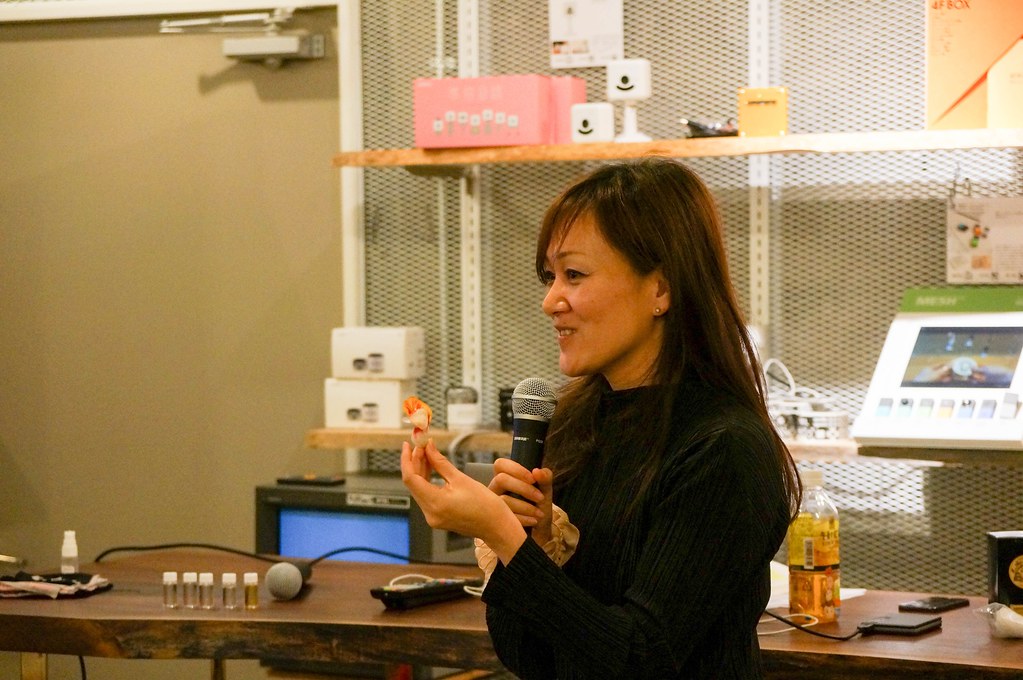
OLFACTORY SURVAIVAL GAME
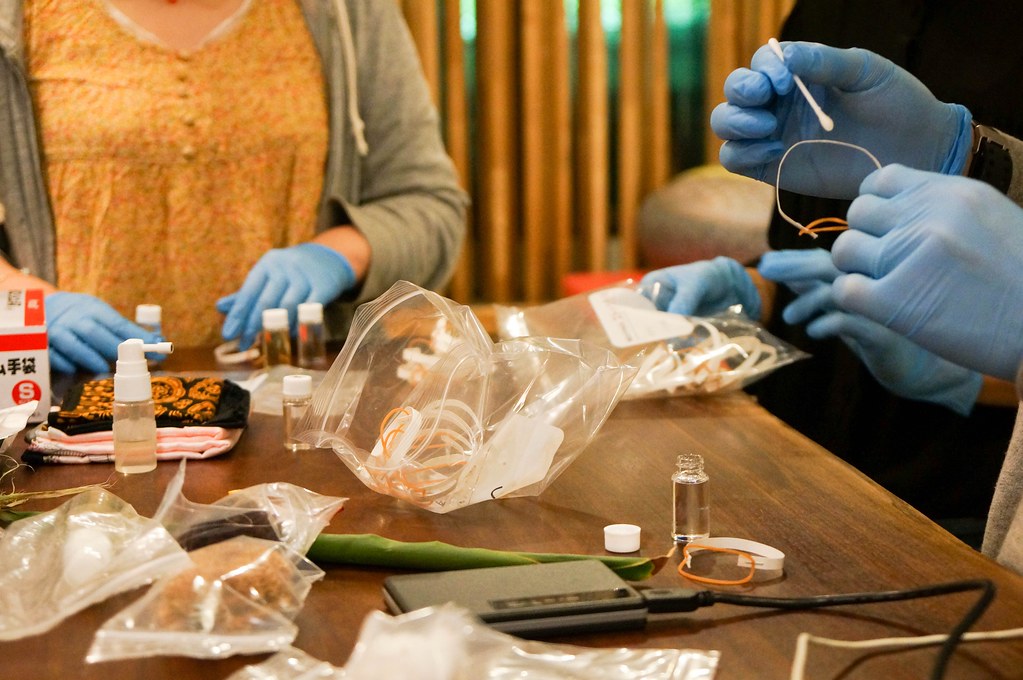
OLFACTORY MEMORY GAME
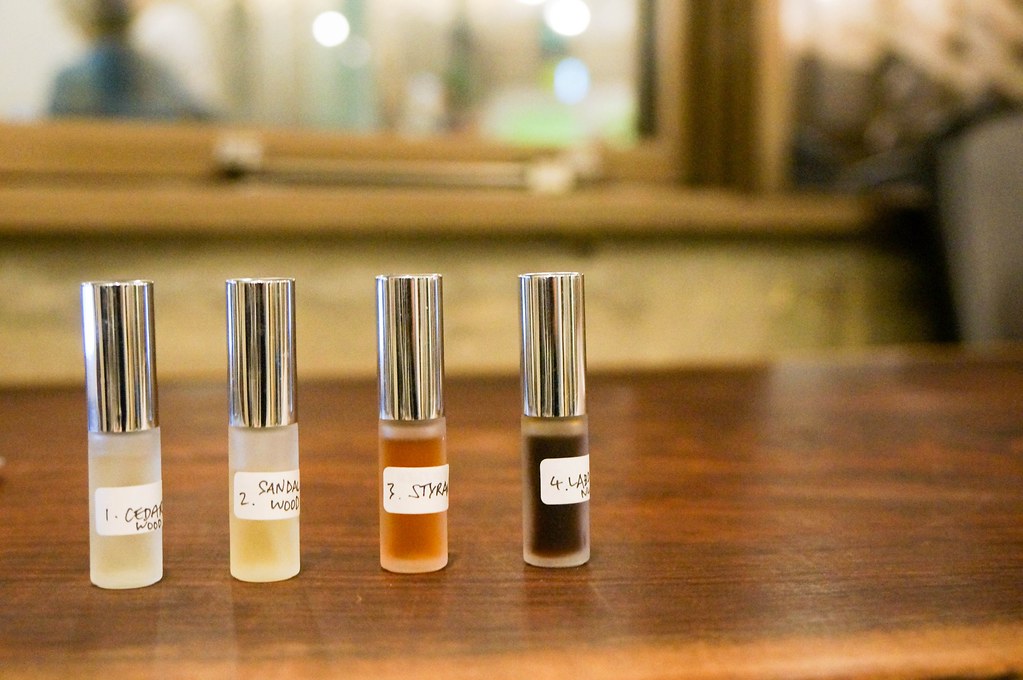
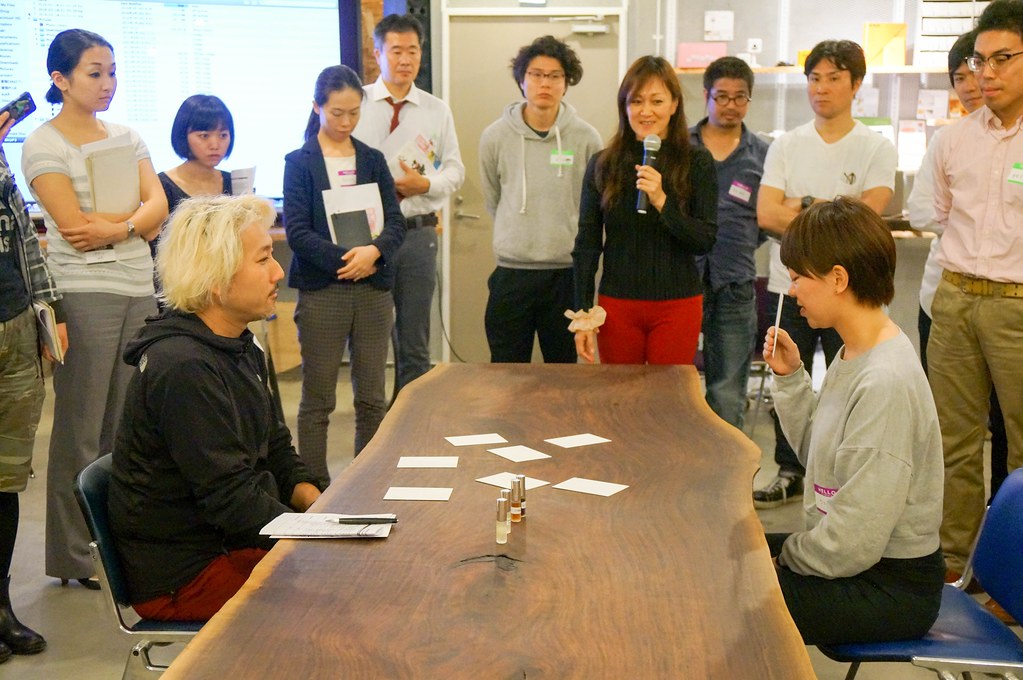
OLFACTORY DUCK DUCK GOOSE
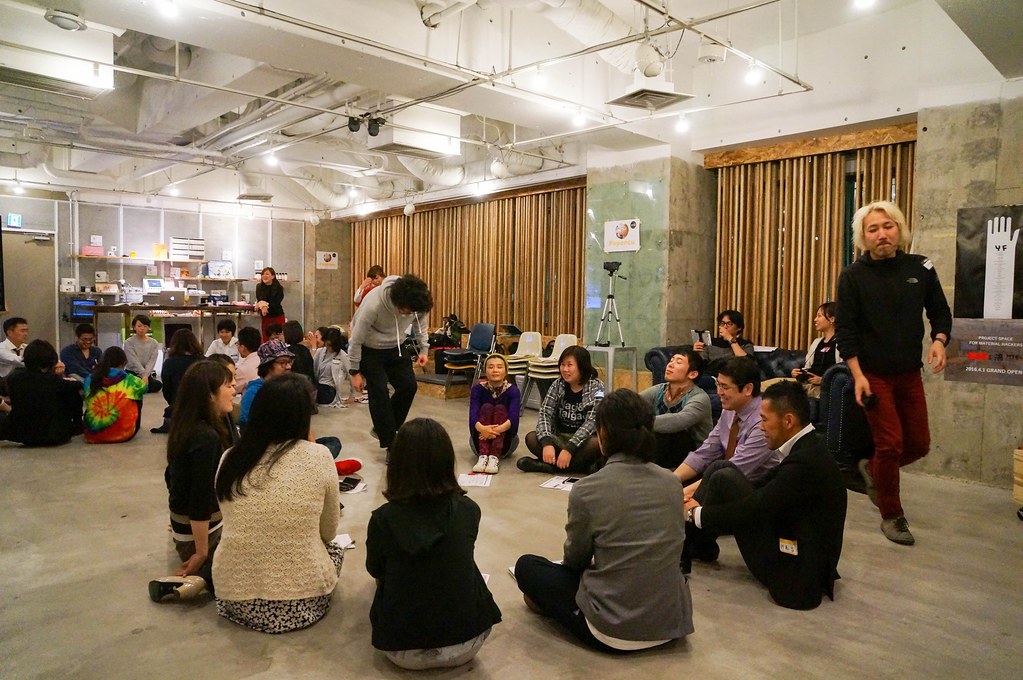
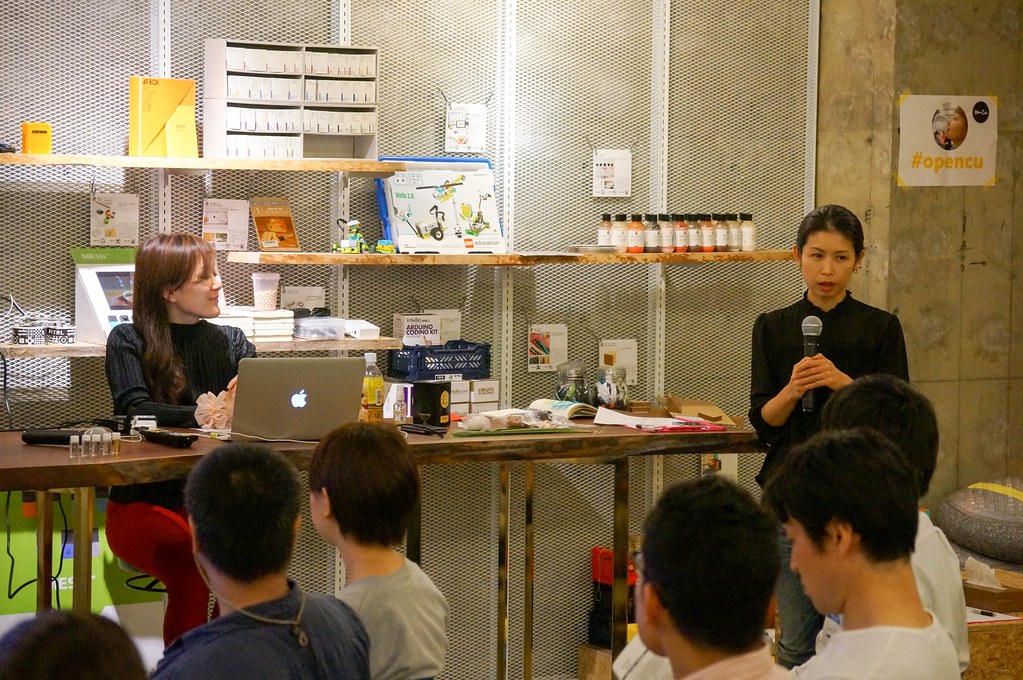
on Olfactory Art
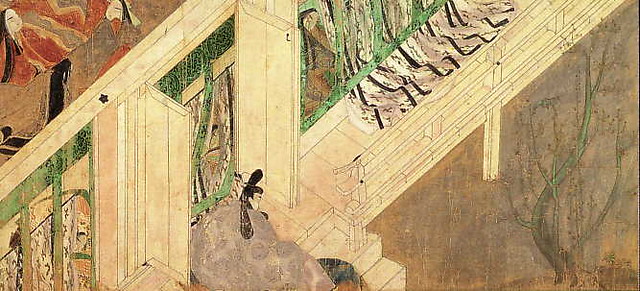
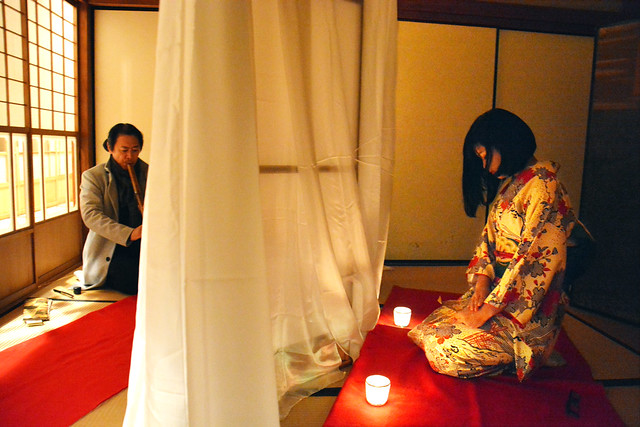
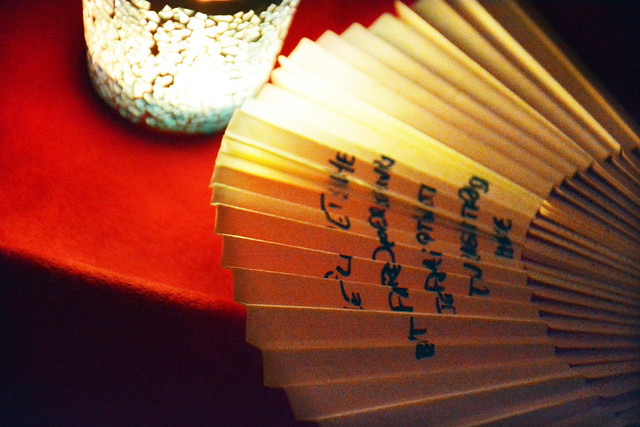
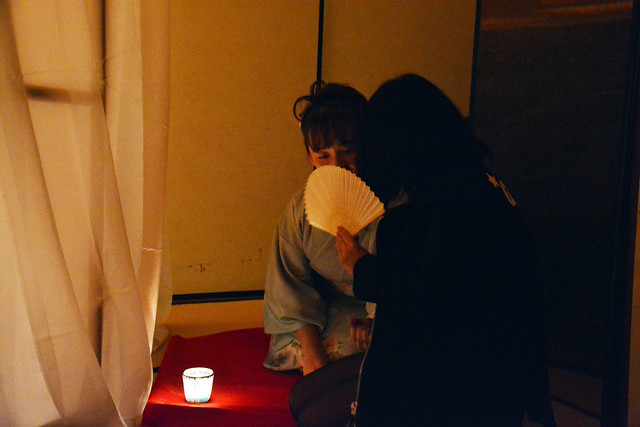
Once upon a time, a man fell in love with a woman just by sensing her atomosphere behind bamboo curtains. He used all the other senses than the sight just to synthesize the whole vision of her as a person. Subtle information as the scent of incense and her silk kimono carried by the wind, and the friction sound of her touch, was already enough for him to fall in love with her.
Back then in Japan, women were not allowed themselves to be exposed to public. She was kept behind curtains her entire life, not even allowed to give a word to a man that she liked. The Tale of Genji is a classic work of Japanese literature in the early years of the 11th century that illustrates such unique depiction of the lifestyles of high courtiers during the Heian period.
This event started from a question: “Can we also fall in love like that?”
Modern communication is a lot thru by the sight so sex appeal is often made visually. But in this event, the dating setup simulates the world of this novel, in the context of olfactory art.
Setup:
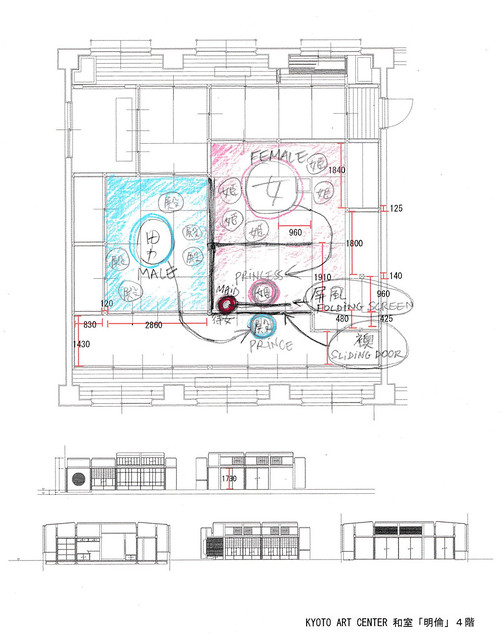
– Waiting rooms are completely isolated visually, but sound-wise not (Japanese room is often made with paper)
– A man prepares a haiku poem related to the season and seasonal flowers. A woman gives permission to meet him if she likes it.
- They meet behind the curtains for 10 min. The man may speak a word but the woman not. Her maid intermediates instead.
Testimonials:
“I experienced re-construction of the senses. When you have the sights, scent is just simple additional information. But in this setup, when imagination becomes delution, you lose control. I was in total confusion: Any tiny information becomes sex appeal.”
M to F sex appeal examples:
-smell (perfumed on hair and kimono)
-letter (poem, calligraphy, flowers, scent on paper)
-talk
-play music
-the subtle sound of silk clothes and tabi socks
-gift
F to M sex appeal examples:
-atomosphere
-smell (perfumed on hair and kimono)
-letter (poem, calligraphy, flowers, scent on paper)
-words carried by the maid
-the subtle sound of silk clothes and tabi socks
■Introduction - move, smell, and sense –
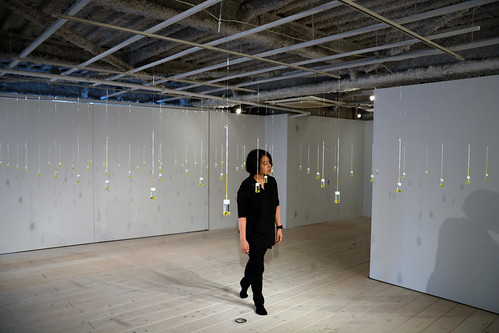
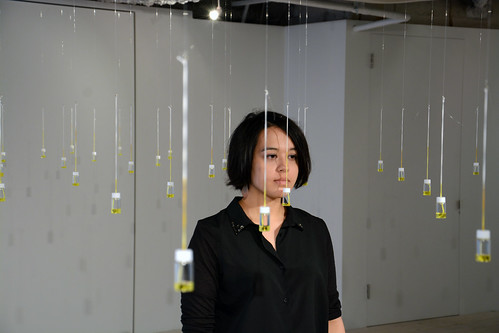
This looks like an installation with bottles hanging from the ceiling in a grid. It is actually a space designed for olfactory exploration.
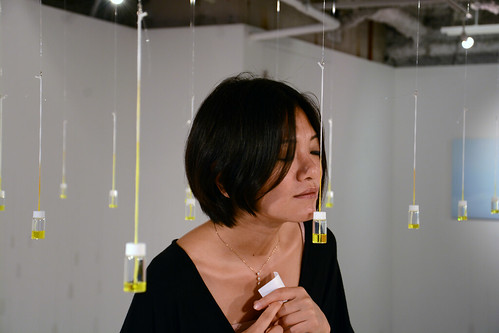
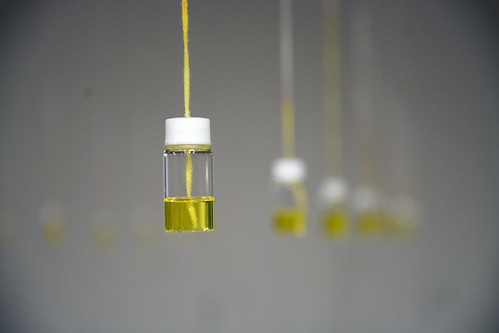
Each bottle contains fragrant oil. The candle rope by which it hangs from the ceiling gradually absorbs the oil and spreads the scent around the space. The oil is just strong enough to be smelled from a 20-cm distance.
Each grid is about 40 to 50 cm, just wide enough for a person to walk through while smelling.
Three different fragrant oils are used, and they are placed in such way that a person can trace a smell from bottle to bottle. They are placed in clusters or in lines, like a Reversi game. It’s a small, playful “olfactory labyrinth” that also tests your sense of smell.
The construction is flexible, allowing the level of complexity to be adjusted to any target group during exhibition. In this way, it is a platform for experimentation and there is no final, fixed form.
■Focus
The main focus is the olfactory experience rather than the scent itself. Often in olfactory installations or exhibitions, the focus is on guessing a smell or evoking memories and feelings. I think, though, that smell is, in itself, neutral. It’s the audience who attribute meanings such as “I dislike this smell” or “This is the smell I knew from my grandma’s house” after processing olfactory information in their brains. My memories are different from yours, so how can I assume that what is a “sweet smell” to me will have the same meaning to you?
Such meanings to smells are given from personal experiences and histories. This is why I chose not to give meanings to smells in this project. I rather want to be open to surprising olfactory experiences that we normally wouldn’t encounter in daily life. Omni-directional olfactory experience has been forgotten in our modern life, so reviving it is especially interesting. You can become convinced that human beings, much like dogs, have the ability to sniff around and navigate themselves using their sense of smell.
In our society it’s not considered good manners to talk about smell, but it’s recommended to do so here!
■Background
In recent years my key words have been “movement” and “olfactory experience”. I’ve been researching omni-directional olfactory experiences within a certain space. The sensations created by actively walking around and finding smells are very different from just passively receiving smells. I think I’m one of the few artists researching this discipline.
I’ve wanted to make an “olfactory labyrinth” for years. I’ve thought about a big construction in an open space, or an interactive installation with sensors. But I first wanted to experiment at low cost, resulting in this first prototype for future development.
I selected the fragrant oils while wondering how to make a finer resolution of smells within a certain space. Without my sponsor Yamamoto Perfumery Co., Ltd. such experimentation would never have been possible.
I tried to exclude visual and audible aspects in this work as much as possible. I let the work explain itself rather than doing so in words. Instead smells and space communicate with your physical sensations, allowing you to project images and play sounds in the mind. I believe that smell possesses such power.
[Cutatorial Note]
On “Sharing Vibes: As Part of Resonating Place”
“Sharing Vibes” is presented as a place where we may discover the world anew by starting to recall the diverse invisible and immaterial information―odors, water veins, flows, etc.―that we usually cannot sense, or fail to notice.
It is in this space that Fuyuki Yamakawa, Maki Ueda and Kenshu Shintsubo will attempt to originate a resonance using, sounds, odors, photography and other media. All three avoid confining their works into distinct media or meanings, and instead regard them as potential information so to prompt us to open up our perceptions and thinking.
Yamakawa showcases a new work that makes underground water flows audible and visible. The research he carried out to create this work will also be presented in the form of a portable map that visitors can take with them in order to feel the water veins in Shibuya. Ueda’s “labyrinth” composed of multiple odors is a place where each person gives active attention to the sense of smell. Shintsubo’s works vividly capture the phases of water that circulates the world through the atmosphere and trees.
The mutual interaction among the works,the mutual influence between those who share the space, and the new vibrations that are born through the multiple resonances between the space, the works and the people… A place each of us participate as a part of the exhibition, of the space and of the world. “Sharing Vibes” does not end. (Yukiko SHIKATA, Curator)
NEXT—> WORKSHOP